
Central Texas is entering one of its most unpredictable and dangerous times of the year — severe weather and flash flood season. Known nationally as Flash Flood Alley, our region can see heavy rain, damaging winds, hail, lightning, and even tornadoes with little warning. As the City of Austin reminds residents, “Heavy rains can cause death and significant damage to infrastructure and personal property in a hurry any time of year, but especially during the Spring.”
Emergency officials say preparation is the key to staying safe. That means having a plan, knowing where to shelter, and keeping multiple ways to receive weather alerts. Austin Emergency Management Director Jim Redick stresses that these hazards are not limited to one season: “Severe weather and flash flooding are a year-round hazard for Central Texas… we want everyone to know the importance of taking steps to prepare, have a plan for their home and place of work, and stay weather aware.”
Staying Weather Aware
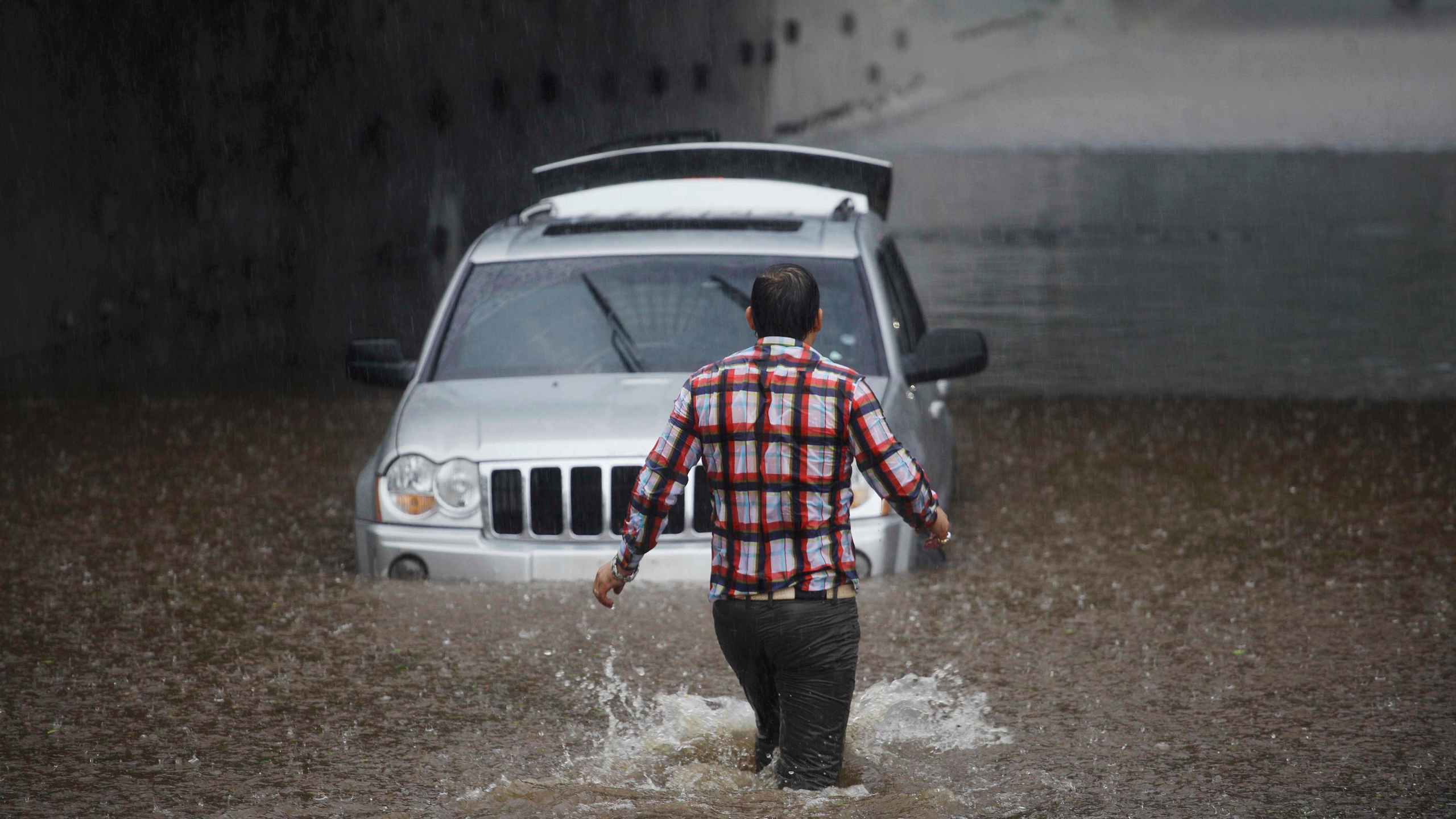
When storms threaten, residents are urged to monitor trusted local news outlets, official city channels, and the National Weather Service. The guidance is simple: never walk or drive through floodwaters. As the document notes, “As little as 12 inches of running water can move a vehicle and less than that can cause you to lose your footing. Turn around. Don’t drown.”
Barricades are also placed for a reason — driving around them puts lives at risk.
Four Steps to Preparedness
Austin Emergency Management outlines four essential steps every household should take:
- Make a Plan: Establish meeting points, evacuation routes, and communication trees with family and neighbors.
- Build a Kit: Stock food, water, flashlights, medications, and supplies for at least three days — including for pets.
- Know Your Neighbors: A connected neighborhood is more resilient during emergencies.
- Stay Informed: Keep phones charged and sign up for alerts at WarnCentralTexas.org.
After the Storm
Once severe weather passes, residents should check their property only when authorities say it’s safe. The document advises checking for “loose or downed power lines, broken or damaged gas lines, foundation cracks, or structural damage,” and warns about scams targeting storm victims.
On the Road
Drivers should avoid bridges and overpasses during storms, treat flashing lights as all‑way stops, and ensure their vehicles are storm‑ready with working lights, good wipers, and proper tire pressure. Emergency car kits — including jumper cables, flares, and chargers — are strongly recommended.
Flood Safety
Residents are urged to seek higher ground if water begins entering their home and to move valuables to elevated areas when time allows. Floodwater can contain hazardous materials and bacteria, making contact dangerous.
Severe Weather Safety
Loose outdoor items should be secured, trees trimmed, and families prepared to shelter in interior rooms on the lowest level. Lightning can strike miles from a storm, and hail can cause serious injury.
Utility Preparedness
Austin Energy advises keeping flashlights and external batteries on hand, unplugging appliances during outages, and never approaching downed power lines. Austin Water encourages residents to locate their water shutoff valves and prepare for potential pipe damage during extreme weather.
Community Cleanup
Austin Resource Recovery reminds residents that clearing branches and dead vegetation reduces both flood and wildfire risks. Brush collection can be scheduled through the Austin Recycles app or by calling 3‑1‑1.



Join the conversation