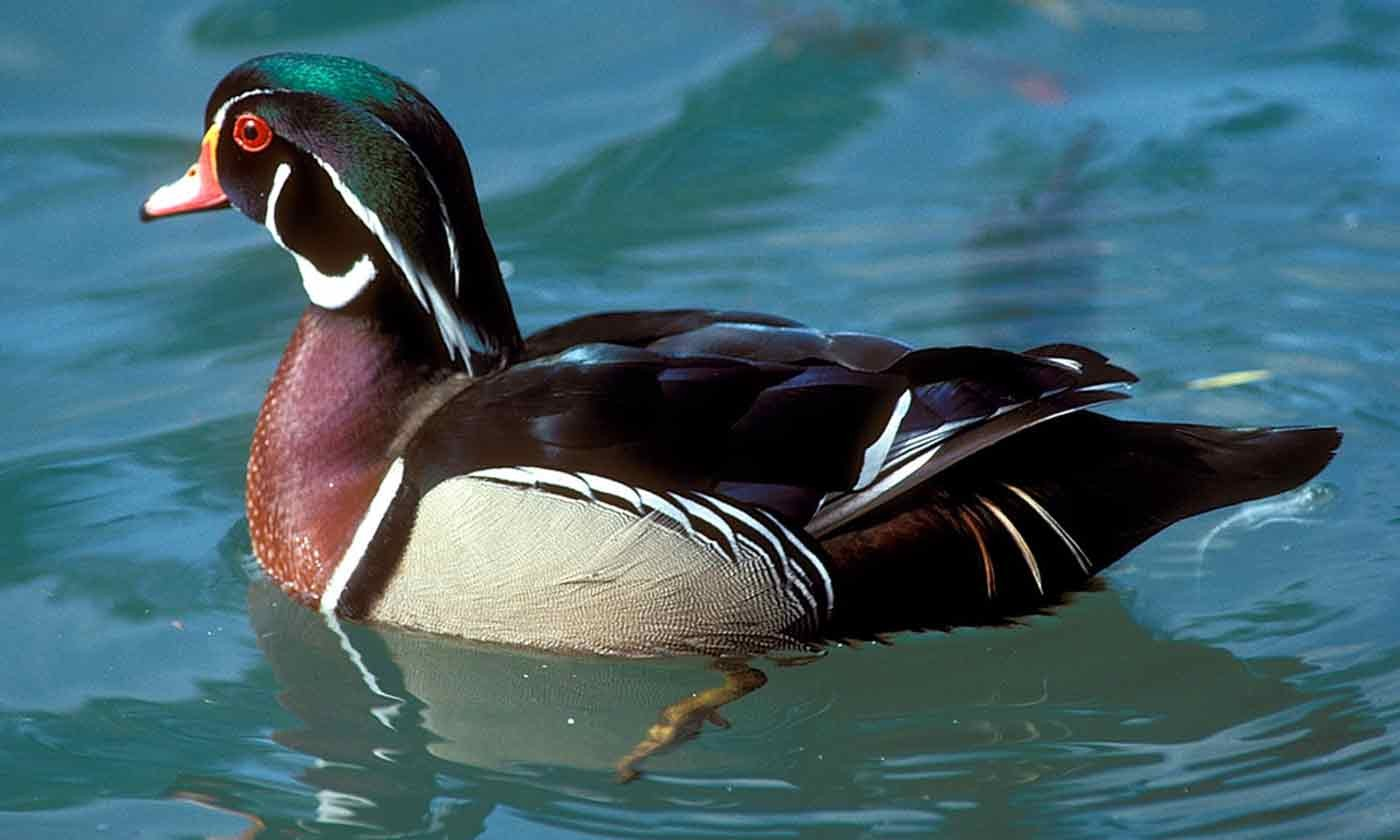
As Texas hunters look ahead to the 2026–27 waterfowl season, biologists with the Texas Parks and Wildlife Department (TPWD) say this year will reward those who stay flexible, pay attention to changing habitat conditions, and take advantage of opportunities as they emerge. Lower overall bird numbers and shifting weather patterns will shape the season, but improving habitat in key regions offers reasons for cautious optimism.
Waterfowl populations have faced more than a decade of drought in the Prairie Pothole Region, the heart of North America’s duck‑producing landscape. As a result, nearly all prairie‑nesting species continue to show long‑term declines. But TPWD Waterfowl Program Leader Kevin Kraai says this year’s improved breeding habitat should boost juvenile production, giving hunters a chance to see more young birds even if total population numbers remain below average.
“While production gains help, hunters should approach the season with measured expectations, as the possibility of a reduced migration push and long‑term population trends remain a concern,” Kraai said. “That said, improved breeding habitat and strong juvenile production offer positive signs, especially where fall rainfall continues to enhance local wetland conditions. The overarching message is cautious optimism.”
Texas weather has played its own role. A cool, wet start to summer gave way to extreme heat and dryness, stressing wetland systems statewide. But the emergence of El Niño and recent rainfall have rapidly improved habitat in many regions. Because Texas lacks large amounts of agricultural waste grain, rainfall—and the flooded natural habitat it creates—is one of the biggest factors determining how many ducks arrive and stay through winter.
Ducks rely on flooded areas rich in seeds, aquatic vegetation, and invertebrates. More rainfall means more food, more habitat, and typically more birds—even in years when northern states remain ice‑free. Long‑range forecasts call for cooler, wetter winter conditions in Texas, which historically support strong waterfowl numbers. However, warmer‑than‑normal conditions to the north could delay migration or reduce the number of birds moving south if wetlands remain open.
Regional Habitat Conditions
High Plains Late‑September rainfall significantly recharged playa wetlands. Many playas that were dry through summer are now holding water, creating vastly improved early‑season habitat.
East Texas Low reservoir levels this summer exposed wide stretches of shoreline, allowing dense stands of seed‑bearing moist‑soil vegetation to grow. As fall rains refill reservoirs, these high‑quality food sources will be prime attractants for dabbling ducks.
Gulf Coast The Gulf Coast remains the region most in need of sustained rainfall. Late‑summer heat and dryness sharply limited freshwater availability, leaving many wetlands dependent on pumping and irrigation canals. A wet cycle is critical for improving habitat and hunter success across the entire coast.
Season Dates and Licensing Reminders
Youth‑only, veteran, and active‑duty military duck seasons begin Oct. 17–18 in the High Plains Mallard Management Unit, followed by youth/active‑duty seasons Oct. 31–Nov. 1 in the South Zone and Nov. 7–8 in the North Zone. Regular duck season opens Oct. 24 in the High Plains, Nov. 7 in the South Zone, and Nov. 14 in the North Zone.
Light and dark goose seasons open Nov. 7 in both the East and West Zones.
Hunters can find complete season dates, bag limits, and regulations in the Outdoor Annual, available online and through the Texas Hunt & Fish app.
Kraai reminds hunters to ensure they are HIP certified, answer HIP questions accurately, and purchase their 2026–27 hunting license before heading into the field. Waterfowl hunters must also have a Migratory Game Bird Endorsement, a Federal Duck Stamp, and proof of hunter education completion.
Under the Duck Stamp Modernization Act of 2023, hunters may carry an electronic Duck Stamp (E‑stamp) for the entire season. Physical stamps will be mailed between March 10 and June 30, 2027.
Hunters using Texas public lands must purchase an Annual Public Hunting Permit. Texas offers more than one million acres of public access, with maps, locations, and on‑site registration available through the Texas Hunt & Fish app and the TPWD website.