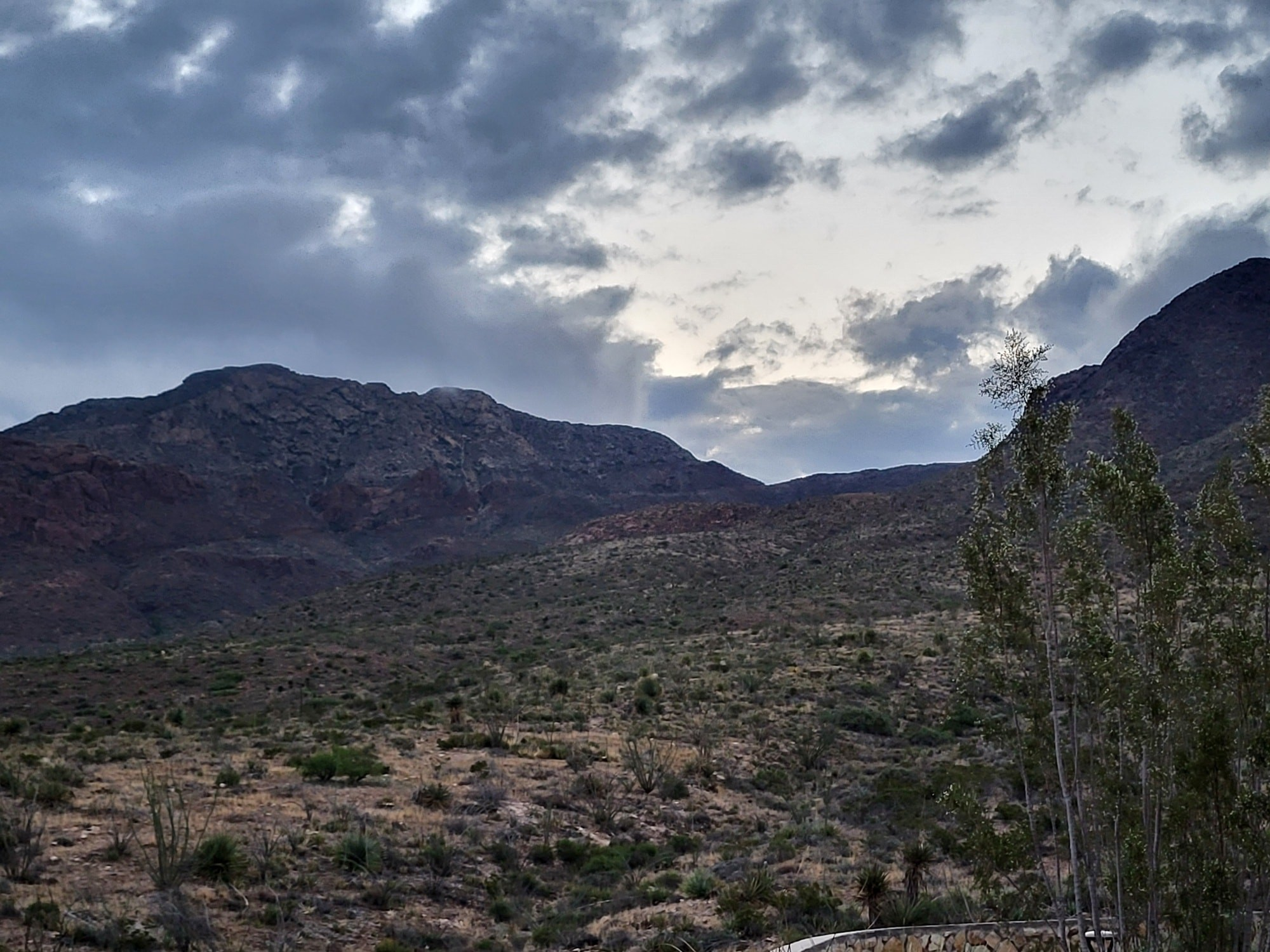
Texas’ largest urban wilderness park just got even bigger. The Texas Parks and Wildlife Department has added 1,054 acres to Franklin Mountains State Park, extending the park’s reach to the east and strengthening one of the state’s most iconic desert landscapes.

For superintendent Cesar Mendez, the acquisition marks a milestone years in the making. “I am excited about this acquisition,” he said, noting that the new land stretches the park’s buffer zone all the way to Martin Luther King Boulevard. The addition brings in lower‑elevation, flatter terrain and—critically—secures new access points and trailheads for visitors.
The expansion opens the northeastern side of the park, home to existing trailheads that lead to world‑class mountain biking routes. It also helps shield the Franklins from the steady push of urban development. Thanks to this purchase, the sweeping views of the mountains from the northeast will remain unobstructed, preserving the rugged skyline that defines El Paso’s natural backdrop.
Beyond recreation, the new acreage plays a vital conservation role. The land helps protect key habitat for desert bighorn sheep, offering additional safeguards for one of the region’s most iconic wildlife species.
Just 15 minutes from downtown El Paso, Franklin Mountains State Park rises from the northern Chihuahuan Desert as a haven for hikers, bikers, climbers, birders, and anyone drawn to the stark beauty of high‑desert terrain. With the new addition, the park now spans roughly 28,000 acres—about 43 square miles—and offers more than 120 miles of trail. Visitors can explore everything from cactus‑lined ridges to rocky canyons alive with reptiles, small mammals, and migratory birds.
Before any new public access opens, TPWD teams will conduct natural and cultural resource surveys to guide future planning. Park planners and resource specialists will develop a public use plan to determine how the new land can best serve visitors while protecting its ecological value. That process may take months, but TPWD will share updates as milestones are reached—including a potential opening date.
For now, the expansion stands as a major win for conservation, recreation, and the long‑term protection of one of Texas’ most dramatic mountain landscapes.