

In a season-ending doubleheader against the Philadelphia Athletics, Boston Red Sox outfielder Ted Williams delivered a performance that would etch his name into baseball history. Williams went 6-for-8 at the plate, raising his season batting average to .406, a mark that has not been matched since.
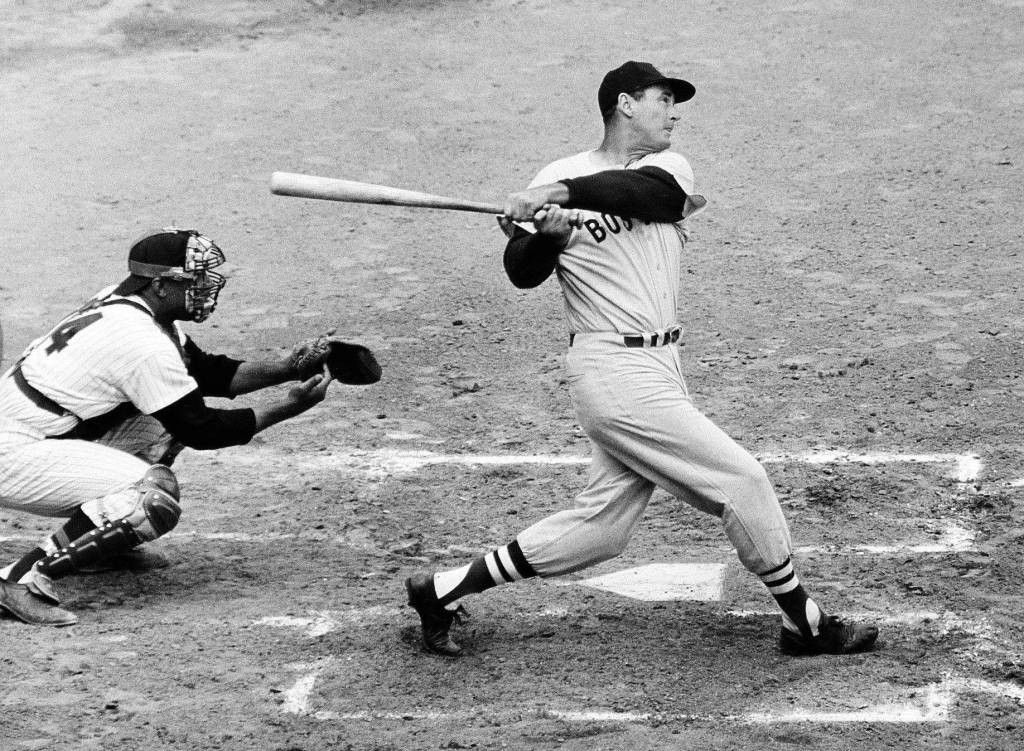
Entering the day with an average of .3995, Williams could have opted to sit out and preserve a rounded .400 figure. Instead, he chose to play both games, ensuring his achievement was earned outright. He went 4-for-5 in the first game and 2-for-3 in the second, securing his place as the last Major League Baseball player to finish a season hitting over .400.
The 1941 season was a standout for Williams, who also led the league in home runs, runs scored, and on-base percentage. His .406 batting average remains one of the most iconic statistical feats in the sport’s history, symbolizing both excellence and a commitment to competitive integrity.
Williams’ decision to play on that final day continues to be celebrated as a defining moment in baseball lore.




 KNCT
KNCT 