
As the Highland Lakes slowly rebound from July’s intense flooding, the Lower Colorado River Authority (LCRA) is urging visitors to remain vigilant. While water levels have stabilized and bacteria counts have returned to seasonal norms, hazards still lurk beneath the surface.
Large tree limbs, trash, and even displaced docks and boats continue to drift in some areas, posing serious risks to boaters and swimmers. LCRA Executive Vice President of Water John Hofmann emphasized the need for caution:
“The debris is getting better day by day, but you still need to keep an eye out and slow down. It’s absolutely not smart or safe to go full speed on the lakes under these conditions.”
Boaters are especially advised to avoid nighttime travel for several more weeks, when visibility is low and submerged hazards are harder to detect.
Swimming Safety Still a Priority
Though flood-related bacteria levels have subsided, Hofmann reminds visitors that these lakes are natural bodies of water—not chlorinated pools.
“There is always a risk of encountering bacteria or other microorganisms regardless of whether there’s been a recent flood.”
LCRA recommends avoiding cloudy, smelly, or stagnant water, and steering clear of algae mats and stirred-up sediment. Swimmers should also:
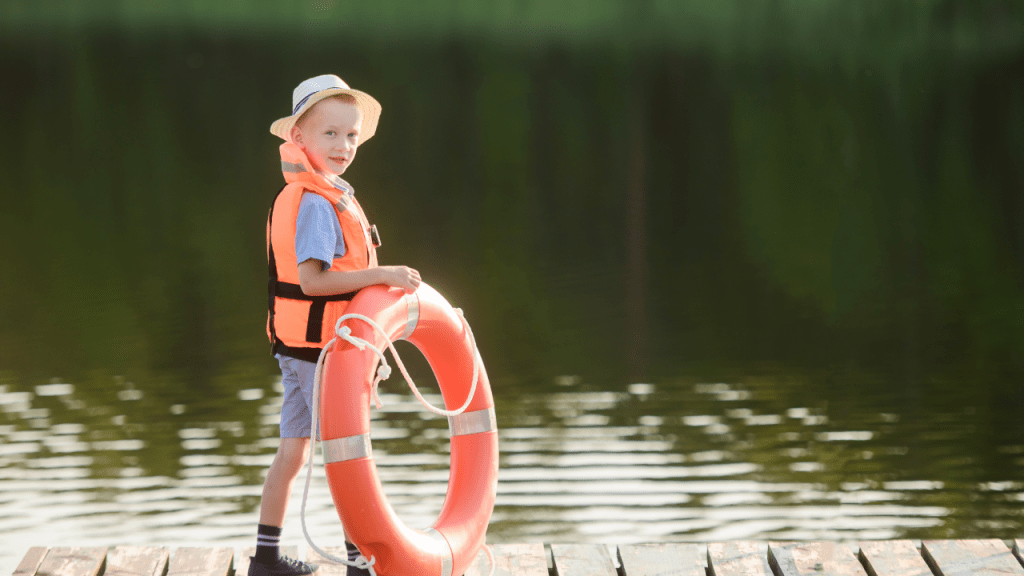
- Wear life jackets—some lake areas are over 100 feet deep
- Never swim alone
- Plug noses when jumping in to reduce exposure to Naegleria fowleri
- Rinse dogs after swimming and keep them away from floating algae
Be Lakewise
The LCRA’s Be Lakewise webpage offers additional safety tips for enjoying the Highland Lakes responsibly. As recovery continues, patience and prudence will help ensure safe recreation for all.
And don’t forget—On the Dock with Rick Smith airs this evening at 6:15pm. Tune in for the latest lake updates, stories from the water, and expert insights to keep your summer safe and memorable.



 KNCT
KNCT 