
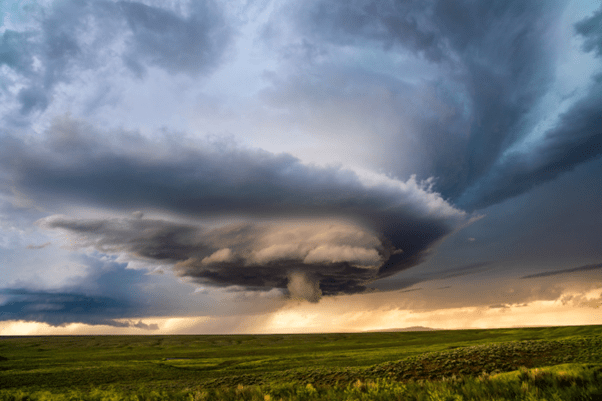
Every spring, Central Texas braces for the turbulent arrival of severe weather. This year is no exception. With thunderstorms, straight-line winds, tornado threats, and the ever-present danger of flash flooding, the region’s unpredictable climate keeps residents on high alert. Central Texas, often referred to as “Flash Flood Alley,” experiences some of the most intense flooding events in the country.
Experts warn that preparation is key. “Severe weather presents a variety of threats like hail, lightning, and tornadoes,” said Jim Redick, Director of Austin’s Office of Homeland Security and Emergency Management. “Add in that Central Texas is the flash flood capital of the world, and springtime becomes a time of year when it is essential to ensure you are prepared for anything.”
Austin officials urge residents to take proactive measures before storms arrive. That means monitoring weather conditions, knowing safe shelter locations, and staying informed with National Weather Service alerts. Following these guidelines can make all the difference when minutes matter.
Social media and local news outlets are excellent sources for real-time updates. Residents are also encouraged to follow official city channels and public safety departments to receive timely warnings.
Flooding remains one of the most dangerous aspects of severe weather in Central Texas. One wrong move on the road can turn a routine drive into a life-threatening situation. Authorities remind residents to “Turn Around, Don’t Drown”—a lifesaving mantra that warns against driving through floodwaters, which can sweep away vehicles with as little as 12 inches of running water.
Barricades placed along roads are there for a reason, and driving around them can have fatal consequences. The safest strategy is simple: if you encounter floodwaters, find an alternate route.
Austin’s Homeland Security & Emergency Management recommends following four essential steps to ensure safety:
- Make a Plan: Establish emergency procedures for your household, including evacuation routes and contact lists.
- Build a Kit: Stock up on non-perishable food, water, flashlights, first-aid supplies, medications, and pet essentials.
- Know Your Neighbors: A strong community network can be crucial during emergencies.
- Stay Informed: Sign up for emergency alerts at WarnCentralTexas.org and keep your phone charged.
Residents should also safeguard their property by securing outdoor furniture, trimming trees to prevent storm-related damage, and identifying shelter areas in their homes. If hail is in the forecast, getting indoors is critical to avoid serious injury.
Once severe weather passes, safety remains a priority. Residents should inspect their homes and vehicles for damage, documenting any destruction for insurance claims. Downed power lines and broken gas connections must be reported immediately. Scammers often target storm victims, so working directly with reputable insurance providers for repairs is essential.
With the unpredictable nature of spring storms in Central Texas, preparation is the best defense. Knowing the risks, staying vigilant, and following official safety guidelines can help protect lives and property.
or more information and resources, visit Austin HSEM’s digital preparedness hub at ReadyCentralTexas.org and stay up to date with Bill Hecke’s weather updates and forecasts.




 KNCT
KNCT 