
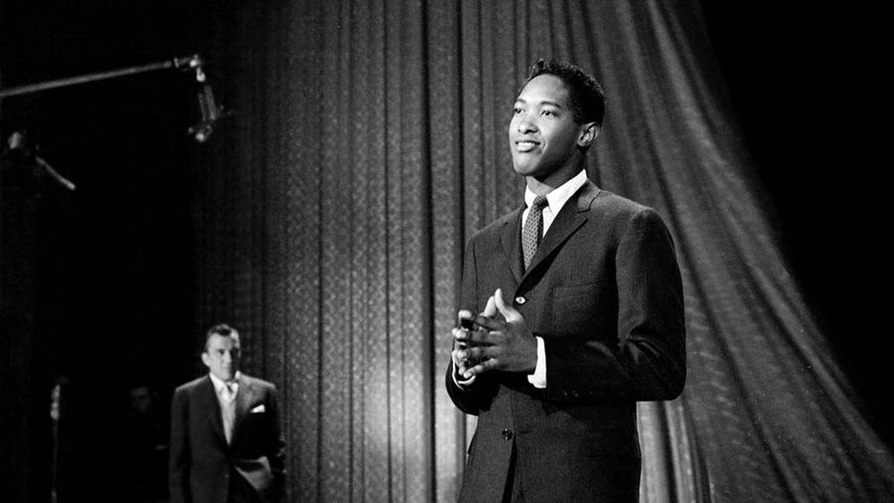
Celebrating the Life of Sam Cooke, the “King of Soul”
January 22, 1931 – December 11, 1964
On what would have been his 94th birthday, we celebrate the life of Samuel Cook, popularly known as Sam Cooke. Born in Clarksdale, Mississippi, and raised in Chicago, Cooke became a legendary figure in the world of soul music, earning the title “King of Soul.”
Sam Cooke showed an extraordinary singing talent from a young age. He began his career in gospel music, joining the renowned group, the Soul Stirrers, in the early 1950s, where he brought gospel music to the attention of younger crowds. His smooth and soulful voice quickly made him a standout star.
In 1957, Cooke made a groundbreaking decision to transition from gospel to secular music. His first major hit, “You Send Me,” topped both the Billboard Hot 100 and R&B charts, establishing him as a major force in the music industry. Over his career, Cooke released a string of hits, including “Chain Gang,” “Cupid,” “Twistin’ the Night Away,” and “A Change Is Gonna Come.” His music not only entertained but also inspired social change, becoming anthems for the Civil Rights Movement.
Beyond his vocal talent, Cooke was also an innovator. He established his own record label, SAR Records, and publishing company, experiencing considerable success as a musician and businessman. His profound influence extended to future generations of artists, including Aretha Franklin, Marvin Gaye, and Otis Redding.
Tragically, Sam Cooke’s life was cut short on December 11, 1964. The circumstances of his death remain shrouded in mystery and controversy. Cooke died from gunshot wounds inflicted by Bertha Franklin, the manager of the Hacienda Motel in Los Angeles. The official ruling was justifiable homicide, with Franklin claiming she acted in self-defense after an altercation. However, many, including Cooke’s family, have questioned this account, believing there may have been more to the story.
Despite the tragic end to his life, Sam Cooke’s legacy endures. His contributions to soul music and the Civil Rights Movement continue to resonate, ensuring that his voice, both literal and figurative, remains an integral part of American history.




 KNCT
KNCT 