
Here is another episode of Centex Sustains, hosted by Christine Luciano with the Cen-Tex Sustainable Communities Partnership.
Next week Wednesday on February 2nd is World Wetlands Day and is celebrated to raise awareness about wetlands. This day also marks the anniversary of the Convention on Wetlands, which was adopted as an international treaty in 1971.
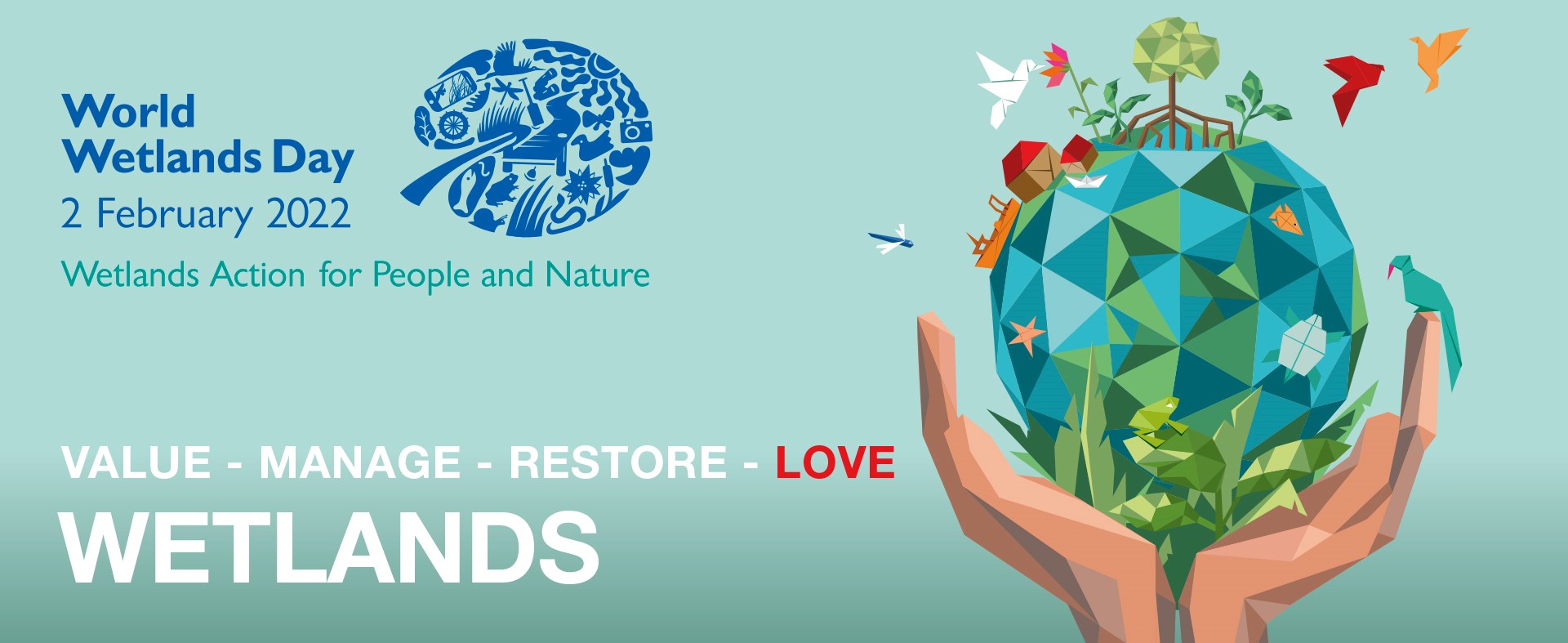
An estimated 33% of global wetlands has been lost since 2009. Wetlands are critically important ecosystems that contribute to biodiversity, climate mitigation and adaptation, freshwater availability, world economies and more.
It is urgent that we raise national and global awareness about wetlands in order to reverse their rapid loss and encourage actions to conserve and restore them.
World Wetlands Day is the ideal time to increase people’s understanding of these critically important ecosystems.
Here’s some insight about wetlands from the Texas Parks and Wildlife Department.
- Wetlands are more important than you might imagine. They are one of Texas’ most valuable natural treasures. Wetlands provide flood protection, improve water quality and provide millions of dollars in economic benefits each year. Yet, Texas has lost more than half of its wetlands in the past 200 years. Texas wetlands have been drained, filled, used as dumps and generally misunderstood.
- Up to 90% of Texas’ salt and freshwater fish species depend on wetlands for food, spawning and nursery grounds. Texas is one of North America’s most important waterfowl wintering areas. Every year, as many as 5 million migrating birds depend on Texas’ wetlands for food, water, shelter and nesting areas. The U.S. Fish and Wildlife Service estimates that up to 43% of North America’s threatened or endangered species depend on wetlands for survival.
- Different parts of wetlands do different jobs. Some jobs are physical, such as capturing sediments like soil and debris during a flood; others are chemical, such as breaking down pollutants; still other jobs are biological, such as providing nursery and spawning grounds for fish and habitat for wildlife. Wetlands provide many benefits to people as well, making our lives easier and safer. These benefits include improving water quality, providing habitat, reducing pollution, controlling erosion, supporting the food web, reduce flood damage, and recharge groundwater.
Remember, wetlands are more than simple swamps or ponds. They are shorelines, marshes, muddy swamps, or stream banks.
For example, bottomlands in East Texas include forested wetlands, swamps, marshes, seeps and oxbow lakes. Flooding rivers and streams shape bottomlands and affect the number and type of plants here. Bottomland plants help hold soil in place, preventing erosion and filtering pollutants from water.
The gulf coast wetlands are defined by their mix of salt and fresh water, although sometimes the water is entirely fresh. Coastal wetlands provide habitat for millions of migrating waterflowl and protection from storms that erode the shoreline. Bays and estuaries are nursery and spawning areas for marine species and habitat for oysters and clams that filter tons of pollutants out of Gulf Coast waters.
Sand sheet wetlands are small isolated depressions. They are found in places where wind exposes clay soils that trap and hold rain water. These depressions often provide the only fresh water for wildlife in a normally dry environment.
Spring fed wetlands are pools and seeps (places where water oozes from the ground) shaped by rock, soil and rainfall. Rain water slowly percolates through limestone layers into underground water reservoirs or aquifers. Springs occur where faults, fissures and other cracks in the limestone allow the water from the aquifer to reach the surface. The Edwards Aquifer, just one of many aquifers in Central Texas, provides drinking and irrigation water as well as recreational opportunities for millions of people.
Here are some ideas on how to celebrate World Wetlands Day:
- Look for wetlands in your community and when you travel. Learn all you can about wetlands and the plants and animals that inhabit them.
- Use native plants when landscaping homes and businesses. Native plants usually require less water, pesticides and fertilizers.
- Save more water for wetlands by fixing leaking faucets, using appliances and fixtures that use less water and not over watering your yard.
- Encourage developers and city planners to preserve natural wetlands in new developments and to use permeable surfaces for parking lots so that rain water can seep slowly into the ground instead of running off.
- Be aware of proposed zoning changes, drainage projects and United States Army Corps of Engineers permit applications in your community and find out if wetlands will be affected by developers.
- Recognize and support private landowners who are involved in preserving wetlands on their property.
- Consider adopting a wetland area as a school, class or community project.
Visit the Texas Parks and Wildlife website to learn more about wetland ecology and conservation efforts.
To learn more about the Cen-Tex Sustainable Communities Partnership and for local event updates, check out our Facebook page Centex Sustains. Feel free to send questions and topic suggestions for this show to centexsustains@gmail.com. Join us each week on Monday at 6:15 pm on KNCT-FM 91.3 to learn more about environmental and sustainable practices.


 KNCT
KNCT 