

Health officials are urging residents to take precautions as Central Texas experiences a surge in both cedar allergies and seasonal respiratory illnesses, including the flu. The overlap is leading to an increase in coughs, sneezes, and clinic visits across the region.
Officials emphasize the importance of distinguishing between allergies and viral illnesses to help prevent the spread of infections, particularly to those at higher risk of severe complications such as older adults, infants, pregnant individuals, and people with weakened immune systems.
They continue to encourage basic preventive steps: getting vaccinated, staying home when sick, covering coughs and sneezes, wearing a mask in public if symptomatic, and seeking medical care if symptoms worsen or persist.
Austin-Travis County Health Authority Dr. Desmar Walkes noted that post‑holiday gatherings often lead to a rise in respiratory symptoms, which may stem from allergies, the flu, COVID‑19, or RSV. She said the guidance remains consistent across conditions: stay home when ill, practice good hand hygiene, and consult a healthcare provider if symptoms escalate. Both allergies and viral illnesses can be evaluated and treated by medical professionals.
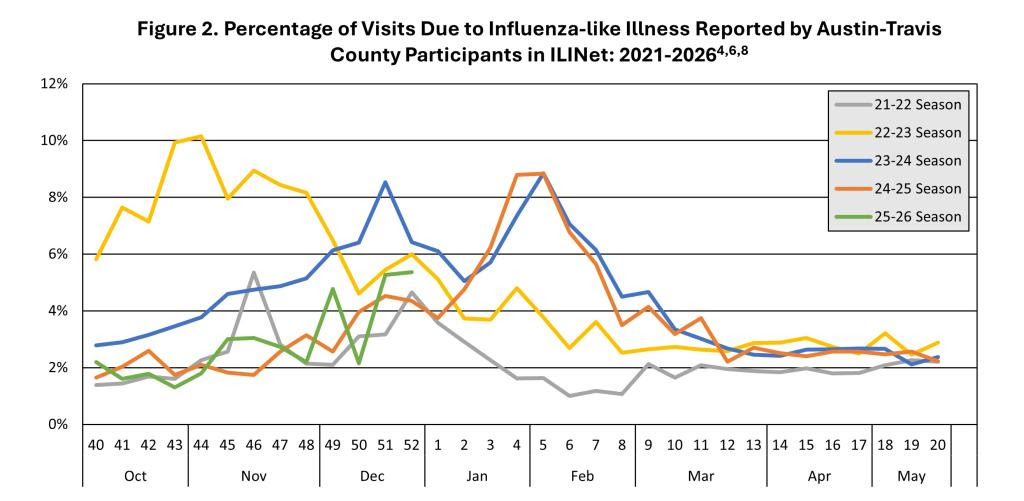
Local clinics and hospitals are reporting an increase in influenza‑like illnesses, a trend that mirrors statewide and national data.
Symptoms
Allergies and respiratory viruses can share several symptoms, including:
- Stuffy or runny nose
- Cough or sore throat
- Sneezing
- Fatigue
- Partial loss of smell or taste
However, health officials note key differences:
- Fever is common with respiratory viruses but not with allergies.
- Itchy eyes are more typical of allergies.
- Allergy symptoms often improve with antihistamines, while RSV symptoms do not.
Treatment
Anyone experiencing symptoms for more than a few days, or noticing worsening conditions, is encouraged to contact a healthcare provider. A medical evaluation can help determine the cause and appropriate treatment.
Vaccinations
Vaccines for COVID‑19, flu, and RSV remain available at pharmacies, doctors’ offices, and through Austin Public Health’s Shots for Tots and Big Shots clinics.



 KNCT
KNCT 
Leave a comment