
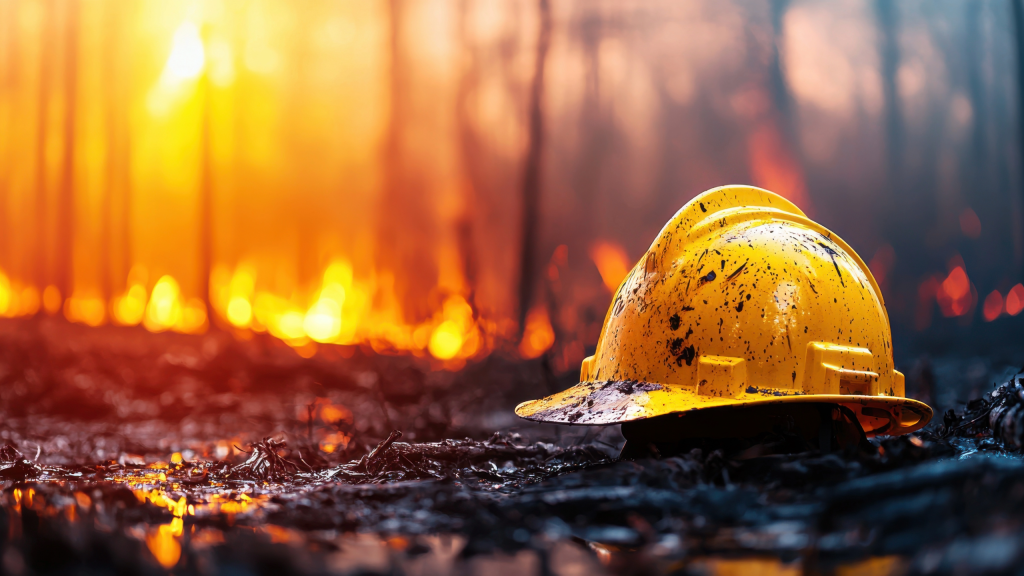
In response to increasingly dry conditions and a heightened threat of wildfires, Austin Mayor Kirk Watson and Travis County Judge Andy Brown have issued local disaster declarations. These actions follow Governor Greg Abbott’s renewal of the statewide disaster declaration, aimed at mobilizing resources and reinforcing preparedness across Texas.

“Austin now ranks fifth in the nation in number of homes facing wildfire risk,” Mayor Watson stated. “In response to the dry conditions and high risk to our area, I am hereby declaring The City of Austin to be in a state of disaster for wildfires. This declaration lets our public safety workers start tracking expenses and facilitates reimbursement from the federal or state government if a wildfire does occur during this declaration”.
🛡️ Why Disaster Declarations Matter
Preemptive disaster declarations are a common tool used when the risk of natural disasters is high. They allow governments to:
- Begin mitigation efforts early
- Organize emergency response and recovery plans
- Track personnel and resources used
- Streamline reimbursement from state and federal agencies
🚨 Community Urged to Prepare
“Around 90% of wildfires are caused by human activities, and wildfires can spread quickly,” said Austin Emergency Management Director Jim Reddick. “That means you can take precautions to protect yourself, your family, and your community. We encourage everyone to stay wildfire aware”.
🏙️ Citywide Mitigation Efforts
- Austin Emergency Management (AEM) is updating emergency plans and revamping the All-Hazards Protective Action Plan.
- The Austin Fire Department (AFD) has redesigned the Wildfire Hub, offering tools to assess wildfire risk and learn protective strategies.
- Monthly Emergency Preparedness Pop-Up events and educational campaigns continue across the city.
🔥 How to Prevent Wildfires
Residents are encouraged to follow these safety tips:
- Avoid parking or driving on dry grass.
- Properly dispose of smoking materials—never toss cigarette butts from vehicles.
- Secure trailer tow chains to prevent sparks.
- Use grills and smokers only on hard surfaces, and avoid outdoor cooking in windy conditions.
🏡 Protecting Your Home
To reduce wildfire risk around your property:
- Clear gutters and remove dry vegetation within 5 feet of your home.
- Trim tree limbs at least 10 feet from structures.
- Store flammable items away from your home.
- Use fire-resistant materials for decks, roofs, vents, and fencing.
Residents can also request a free Structural Ignition Zone Evaluation (SIZE) from AFD. A trained advisor will assess your home’s exterior and offer personalized guidance on wildfire protection and evacuation planning. These assessments are confidential.
For more information and resources, visit the Wildfire Hub and ReadyCentralTexas.org.

 KNCT
KNCT 