
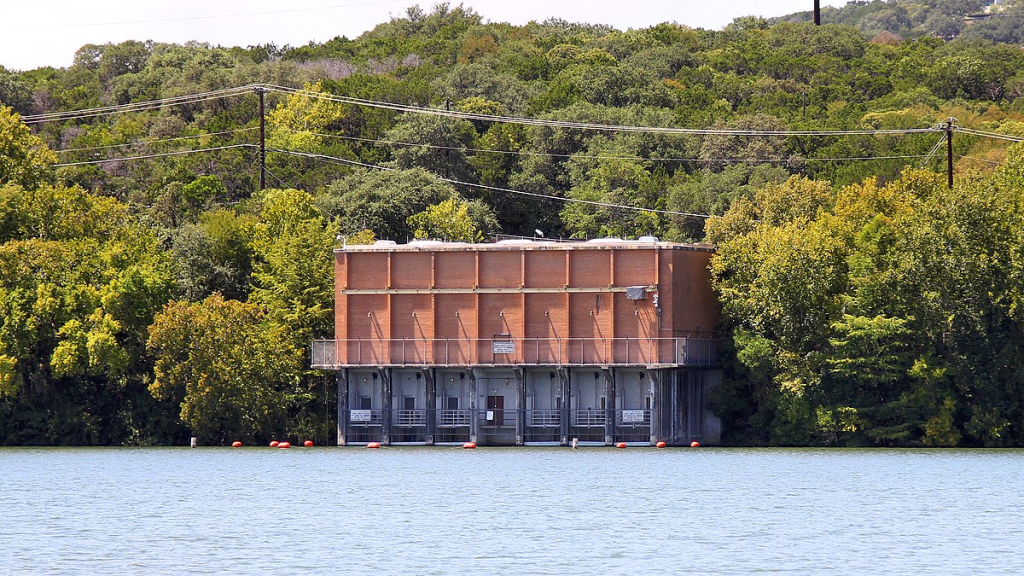
Austin Water will conduct a scheduled emergency training exercise on Wednesday, October 1, from 7 a.m. to noon near the Ullrich Water Treatment Plant on Lake Austin. During this time, residents and visitors may notice emergency response watercraft and personnel operating in the area.
The exercise will simulate an oil spill scenario approaching the plant’s raw water intakes near Tom Miller Dam. Participating agencies will practice coordinated emergency procedures, including tracking the simulated flow of contaminants, deploying floating booms and containment barriers, and conducting mock spill recovery operations. No actual contaminants will be released into the water during the exercise.
This drill is part of Austin Water’s broader emergency preparedness program, designed to enhance response capabilities and build on recommendations from the External Review of Austin Water Quality Events, conducted by the University of Texas – Center for Water and the Environment. The event also provides Austin Water’s Incident Management Team an opportunity to rehearse emergency protocols in a controlled, simulated environment.
Austin Water is collaborating with the Lower Colorado River Authority, Austin Watershed Protection Department, and experts from the commercial oil and gas industry to carry out the exercise. The joint effort will test cross-agency communication and operational logistics in the event of a real-world emergency.
“This is a great opportunity for our teams to practice emergency scenarios involving a multi-agency joint response,” said Austin Water Director Shay Ralls Roalson. “These training exercises strengthen our emergency protocols and help Austin Water staff prepare for a range of contingencies, enhancing reliability and continuity of service for our customers.”
In May of 2024: An equipment malfunction at a lift station near Rock Harbour Drive led to 125,000 gallons of wastewater overflowing into the Bull Creek watershed. While the city’s drinking water supply remained unaffected, residents with private wells nearby were advised to boil water as a precaution.
Later that year, over 100,000 gallons of domestic wastewater spilled near Creek Bend Drive due to a clogged sewer manhole. The overflow entered a dry segment of Williamson Creek. Cleanup began promptly, and again, no impact to the public water system was reported, though private well users were urged to take safety measures.
Throughout 2024, city-owned pipes leaked an estimated 9.3 billion gallons of treated water, a 31% increase from the previous year. One major incident involved a cracked 48-inch water main that released 16 million gallons into a ravine near Loop 360 and Spicewood Springs Road.
These events prompted Austin Water to invest in infrastructure upgrades and emergency preparedness, including the training exercise happening this week.
Residents are advised that the visible presence of emergency equipment is part of a planned exercise and not cause for concern. For updates and additional information, visit Austin Water’s official website.



 KNCT
KNCT 