

For the first time in 98 years, the Chicago River Swim made its historic return on Sunday, drawing thousands of swimmers, civic leaders, and spectators to downtown Chicago. The event marked a major milestone in the city’s environmental recovery and urban revitalization.
Produced by the nonprofit A Long Swim, the event raised $150,000 to support ALS research at Northwestern University’s Feinberg School of Medicine and swim-safety education programs at the Salvation Army Kroc Center.
A total of 263 swimmers participated in one- and two-mile courses along the main branch of the river, cheered on by crowds lining the Riverwalk. The event opened with remarks from Chicago Mayor Brandon Johnson, who praised the river’s transformation from a once-polluted waterway to a restored civic asset.
Olympian and USA Swimming Ambassador Natalie Hinds joined the Mayor in emphasizing the importance of water safety and access for young swimmers. Doug McConnell, co-founder of A Long Swim, highlighted the event’s dual mission: celebrating environmental progress and advancing ALS research. Since its founding, the organization has raised over $3 million for medical research.
The swim drew support from several civic leaders, including Congressman Mike Quigley, Cook County Board President Toni Preckwinkle, State Senator Mattie Hunter, State Representative Kimberly du Buclet, and Alderman Ronnie Mosely.
In the competition, Olympian Olivia Smoliga won the women’s one-mile race with a time of 22:45, while Levy Nathan led the men’s division at 22:22. In the two-mile race, Becca Mann captured the women’s title in 40:07, and Isaac Eilmes won the men’s division in 40:13.
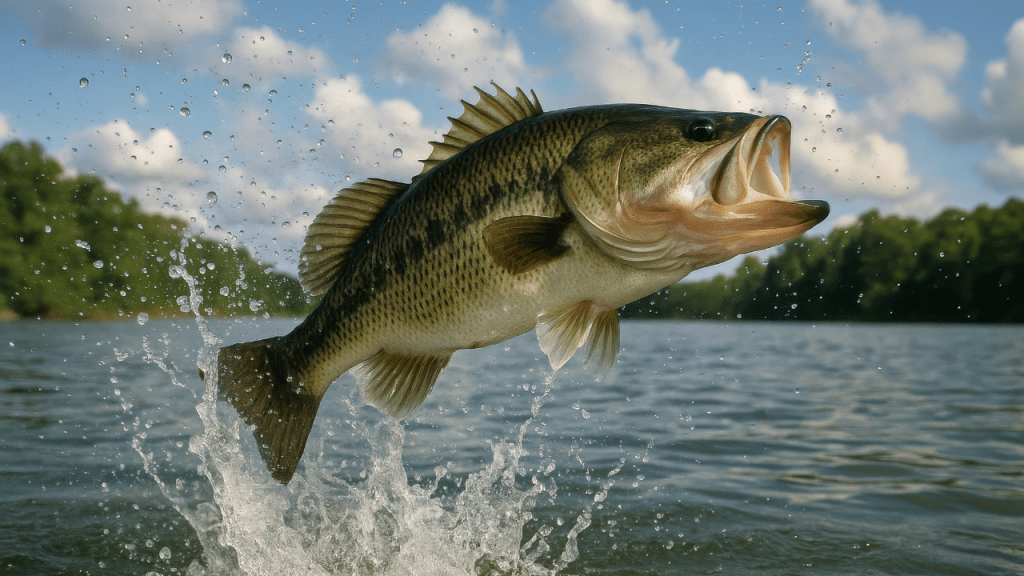
The event spotlighted the Chicago River’s dramatic transformation. Once deemed unsafe for recreation, the river now supports over 80 species of fish and a growing range of wildlife. This progress is the result of decades of work by agencies and organizations including the Metropolitan Water Reclamation District, Friends of the Chicago River, and the Shedd Aquarium.
Safety was a top priority, with more than 100 trained personnel—including lifeguards and observers—stationed along the course. Water quality testing, led by the University of Illinois Chicago (UIC), confirmed safe conditions for swimmers. Over a 19-day period, samples were collected at eight bridges, with all results falling within EPA guidelines.
“Our partnership with the Chicago River Swim benefited both the athletes and our students,” said Abhilasha Shrestha, Research Assistant Professor at UIC’s School of Public Health. “It’s rewarding to see science play a meaningful role in ensuring a safe experience.”

 KNCT
KNCT 