
As heard on today’s episode of The Sound of Texas with Tumbleweed Smith
📻 Weekdays at 6:30am & 12:30pm on KNCT 91.3 FM
Nestled in Callahan County, just east of Abilene, Baird, Texas is more than a dot on the map—it’s a living archive of frontier grit, railroad ambition, and antique charm.
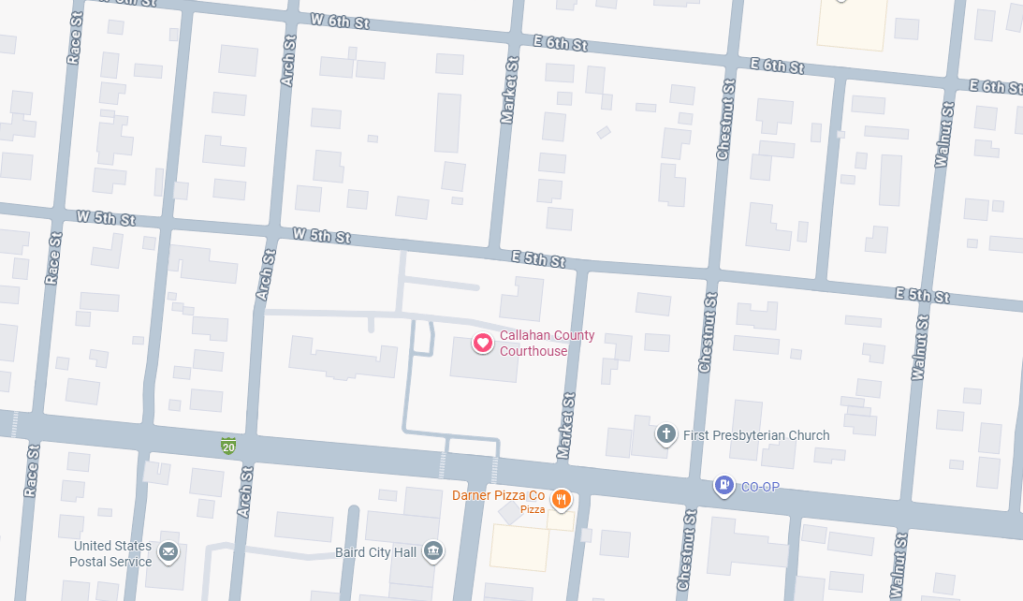
Named by Philadelphia native Matthew Baird, the town’s streets mirror those surrounding Independence Hall, a nod to his roots and a symbolic bridge between Texas and the birthplace of American liberty. But Baird’s legacy is firmly planted in the soil of the Lone Star State.
Tommie Jones, a local historian, reminds us that Baird sits along one of the most significant cattle trails in Texas history. “It is the largest and it lasted longer than any other in the history of the great cattle trail,” she says. That trail carried millions of cattle northward, and Baird became a vital stop on the Texas and Pacific Railway—its depot a beacon for settlers, traders, and dreamers.
In 1993, the Texas Legislature officially crowned Baird the Antique Capital of West Texas, and with good reason. Today, the town boasts a dozen antique shops, each one a treasure chest of stories waiting to be rediscovered.
History buffs will find a quiet thrill in the basement of the Callahan County Courthouse, where the Callahan County Library and Pioneer Museum reside. Founded by the Baird Wednesday Club in 1937 and expanded in 1940, these institutions preserve the town’s heritage through displays of farm tools, ranch gear, vintage clothing, barbed wire collections, and handwritten documents that whisper of days gone by.
From cattle drives to courthouse archives, Baird is a town that wears its past proudly—and invites you to walk its streets, browse its shops, and listen to the stories that still echo through its halls.



 KNCT
KNCT 