
In the summer of 1967, a smoky voice and a Southern gothic tale captivated America. Bobbie Gentry, a Mississippi-born singer-songwriter, launched a four-week reign atop the U.S. singles chart with her debut hit, “Ode to Billie Joe.” The song, a No.13 hit in the UK, was unlike anything else on the airwaves—intimate, mysterious, and deeply evocative.
Set against the backdrop of a family dinner, Gentry’s lyrics unfold a cryptic story of a young man’s suicide and the quiet emotional undercurrents that ripple through the narrator’s world. With its sparse arrangement and conversational tone, the song invited listeners to lean in, speculate, and feel.
🎶 A Grammy-Winning Revelation
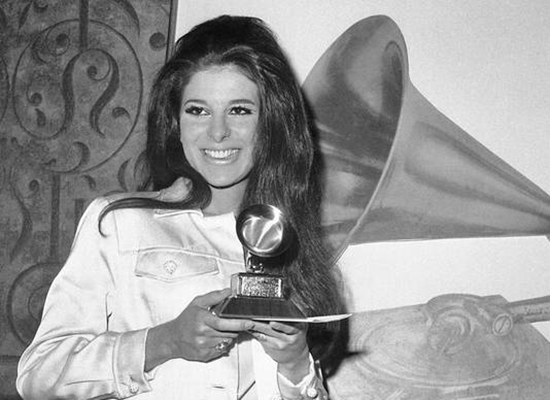
“Ode to Billie Joe” didn’t just dominate the charts—it dominated the industry. The song earned eight Grammy nominations, resulting in three wins for Gentry:
- Best New Artist
- Best Female Pop Vocal Performance
- Best Arrangement Accompanying a Vocalist (shared with arranger Jimmie Haskell, who also won for his haunting string orchestration)
Gentry’s success was groundbreaking. She became one of the first female artists to write and perform her own No.1 hit, challenging the norms of a male-dominated industry and paving the way for future singer-songwriters.
📻 Legacy and Impact

“Ode to Billie Joe” remains a masterclass in storytelling—its ambiguity, emotional restraint, and Southern setting have inspired countless interpretations, cover versions, and even a 1976 film adaptation. Gentry’s ability to blend folk, country, and pop into a singular voice made her an icon of introspective songwriting.
For KNCT listeners, it’s a reminder of how one song can shift the cultural conversation. Gentry didn’t just sing—she invited us into a world, handed us a mystery, and let us sit with the silence.




 KNCT
KNCT 