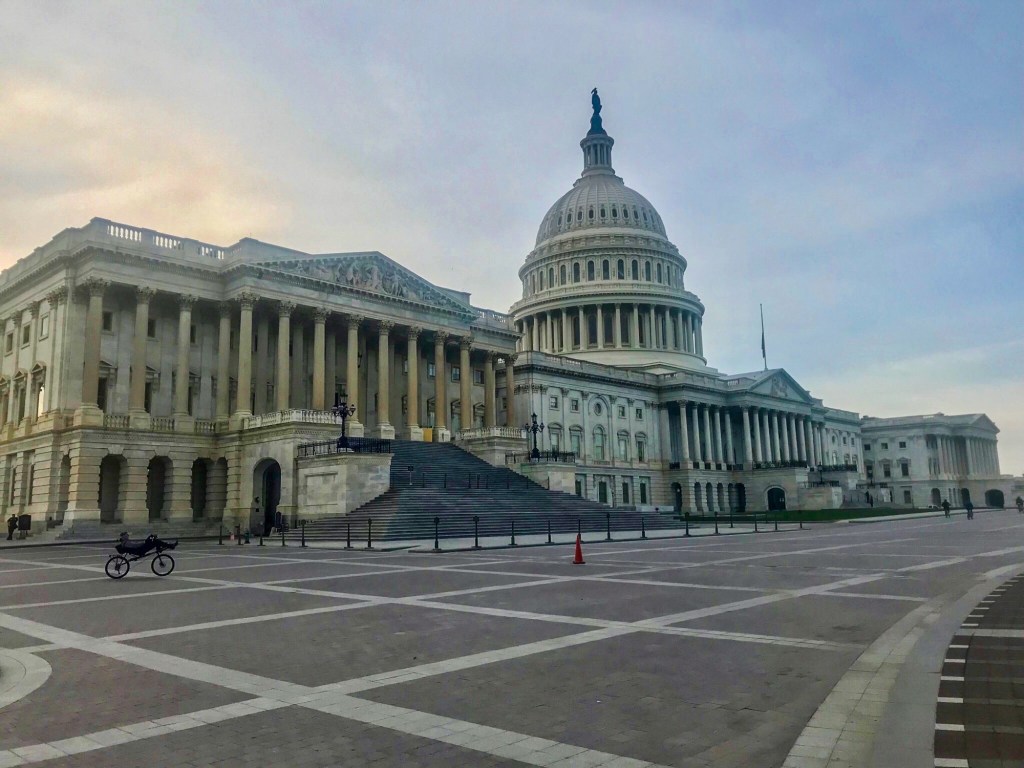
In a razor-thin vote Tuesday evening, the U.S. Senate advanced a controversial package that would rescind $1.1 billion in federal funding previously allocated to PBS, NPR, and other public media outlets over the next two years. The measure passed 51–50, with Vice President JD Vance casting the tie-breaking vote.
Three Republican senators—Lisa Murkowski of Alaska, Susan Collins of Maine, and Mitch McConnell of Kentucky—broke ranks to oppose the package, joining all Democrats and independents in defense of public broadcasting. A final vote is expected within days, with Congress facing a Friday deadline to approve the measure or allow the funding to remain intact.
At the center of the cuts is the Corporation for Public Broadcasting (CPB), established nearly 60 years ago to distribute federal grants to public media organizations. If the package passes, CPB’s funding would be zeroed out entirely.
Senator Murkowski pushed back against partisan critiques of NPR, stating, “If Republicans don’t like a left-wing bias at NPR, we can address that. That doesn’t mean we need to gut the Corporation for Public Broadcasting.”
Meanwhile, Senator Mike Rounds of South Dakota, previously undecided, supported the package after assurances from the Trump administration that tribal radio stations would continue receiving grants without interruption.
Senate Minority Leader Chuck Schumer (D-NY) emphasized the real-world consequences of the proposed cuts in a floor speech:
“Tens of millions of Americans rely on public broadcast for weather alerts, local news, keeping track of City Hall, educational programming, and so much more. This affects most badly rural America, including Native communities. And these cuts couldn’t come at a worse time: the floods in Texas remind us that speedy alerts and up-to-the-minute forecasts can mean the difference between life and death.”
For many Americans—especially in underserved and remote areas—public radio and local TV remain vital lifelines for information, education, and emergency communication.
As the final vote looms, advocates for public media are urging citizens to contact their representatives and raise awareness. The outcome could reshape the future of local journalism, educational programming, and emergency broadcasting across the country.



 KNCT
KNCT 