
On this day five years ago, the world bid farewell to Dame Vera Lynn, the beloved English singer and entertainer whose voice became a beacon of hope during one of history’s darkest chapters. She died peacefully at her home in East Sussex at the age of 103, leaving behind a legacy that transcends generations.
Known affectionately as the “Forces’ Sweetheart,” Vera Lynn’s music lifted the spirits of British troops and civilians alike during World War II. Her heartfelt performances—often delivered in makeshift outdoor venues across Egypt, India, and Burma—offered comfort to soldiers far from home and families waiting anxiously for their return.
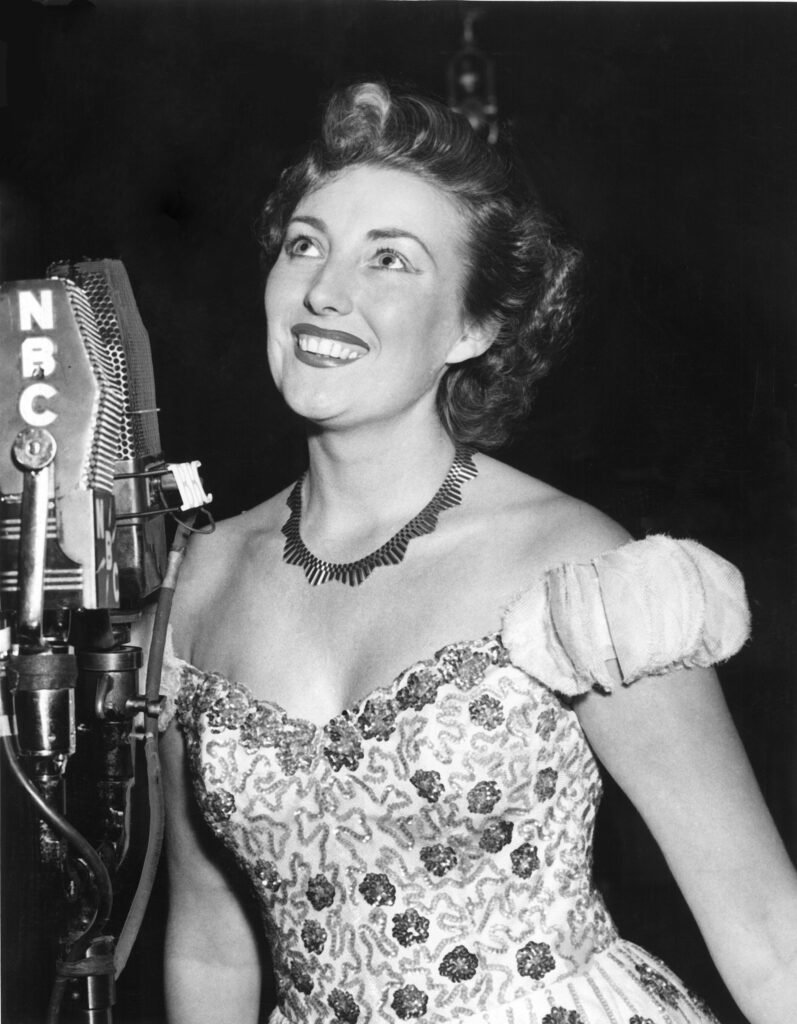
Her signature songs, “We’ll Meet Again” and “(There’ll Be Bluebirds Over) The White Cliffs of Dover,” became wartime anthems, capturing the longing, resilience, and quiet optimism of a nation under siege. These melodies didn’t just echo through radios—they echoed through hearts.
Born Vera Margaret Welch in East Ham, London, in 1917, she began performing at age seven and adopted her grandmother’s maiden name, Lynn, as her stage name. By 22, she had already sold over a million records. In 1939, British servicemen voted her their favorite entertainer, cementing her role as a cultural icon.
Her influence extended far beyond the war years. In 1979, Pink Floyd paid tribute to her in their haunting track “Vera” on The Wall, asking, “Does anybody here remember Vera Lynn?”—a question that, decades later, still resonates.
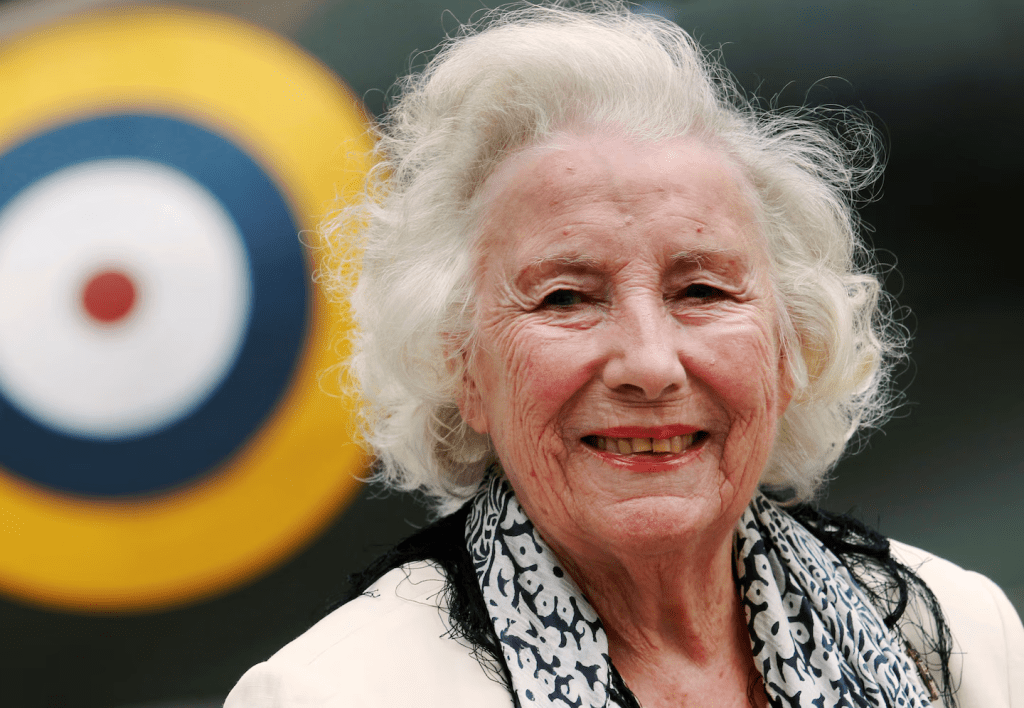
Even in her later years, Lynn remained a symbol of unity and endurance. In 2009, she became the oldest living artist to top the UK Albums Chart, and during the COVID-19 pandemic, Queen Elizabeth II echoed Lynn’s famous refrain—“We’ll meet again”—in a national address, reminding Britons of their shared strength.
Dame Vera Lynn’s voice may have fallen silent, but her songs continue to sing of courage, connection, and the enduring power of hope.



 KNCT
KNCT 