
As summer approaches and Texans gear up for days on the water, the Texas Parks and Wildlife Department (TPWD) is sounding the alarm on a growing threat to the state’s beloved lakes: aquatic invasive species.
From scenic boating excursions to peaceful paddling, Texas lakes offer countless opportunities for recreation. However, without proper precautions, boaters may unintentionally contribute to the spread of harmful species like zebra mussels and giant salvinia. TPWD urges all water enthusiasts to take simple but crucial steps—clean, drain, and dry—to help safeguard the health of Texas lakes.
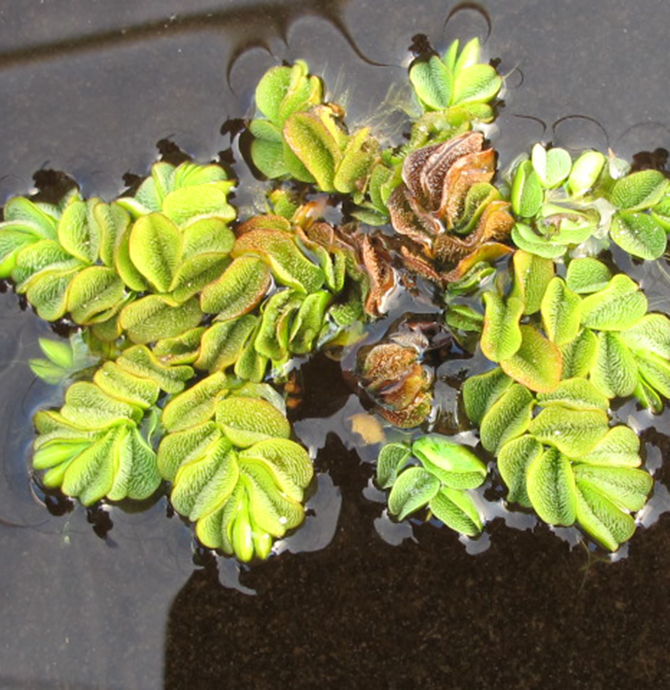
Two of the most concerning invaders currently wreaking havoc on Texas lakes are zebra mussels and giant salvinia. Zebra mussels, a non-native shellfish that attaches to hard surfaces, damage boats and water infrastructure, disrupt lake ecosystems, and litter shorelines with sharp shells. Meanwhile, giant salvinia, a fast-spreading aquatic fern, forms thick surface mats that make fishing, boating, and swimming nearly impossible.
With zebra mussels now present in 38 Texas lakes and giant salvinia spotted in 27 East Texas lakes and numerous waterways, TPWD’s monitoring efforts are in full swing. Unfortunately, once established, invasive mussels cannot be eradicated, and controlling giant salvinia is an ongoing challenge.
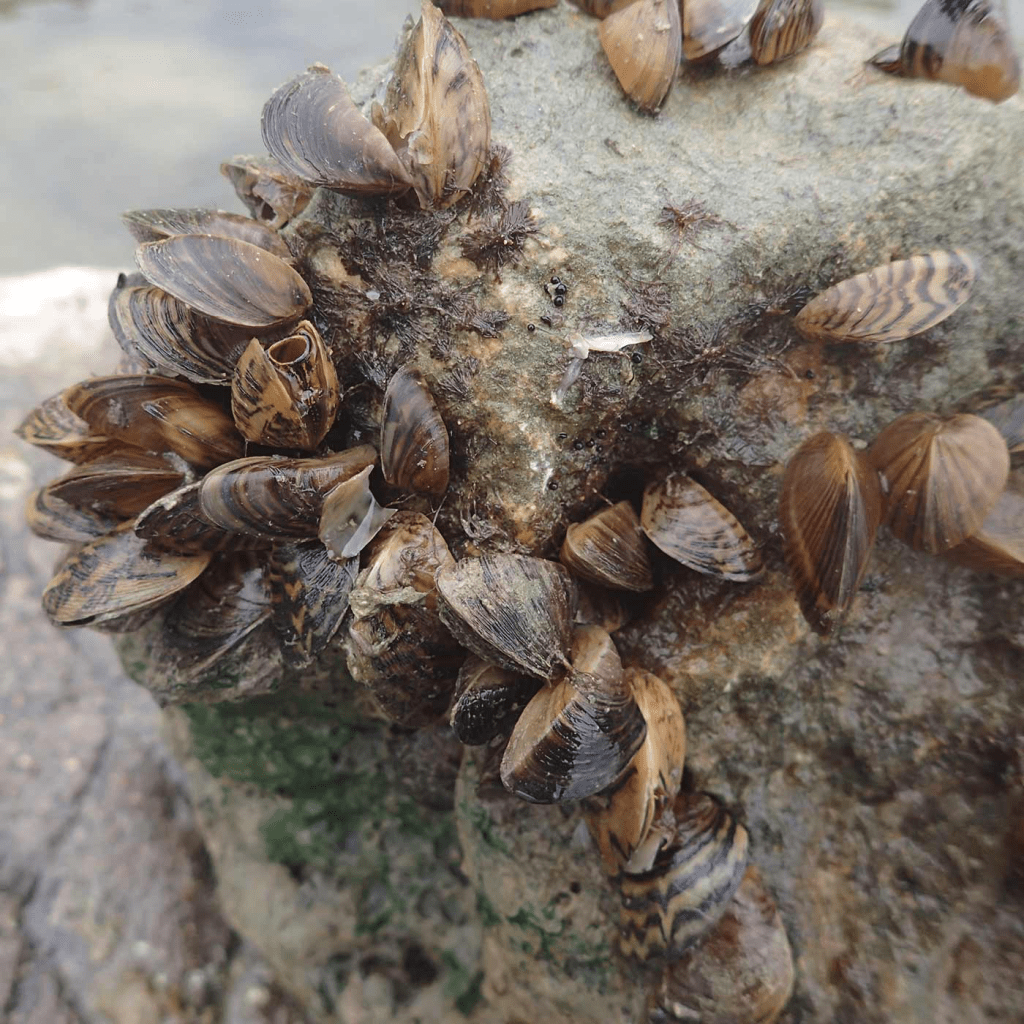
Preventing further spread falls largely on the shoulders of boaters and paddlers. Since zebra mussels can latch onto boats, anchors, and aquatic plants—and their microscopic larvae can linger in residual water—it’s critical to thoroughly clean, drain, and dry all watercraft before traveling from lake to lake.
“Zebra mussels and quagga mussels can be attached to boats or even carried by anchors or plants clinging to boats,” said Monica McGarrity, TPWD senior scientist for aquatic invasive species. “Taking just a few minutes to clean, drain, and dry boats can make a huge difference in preventing further spread of this highly damaging species.”
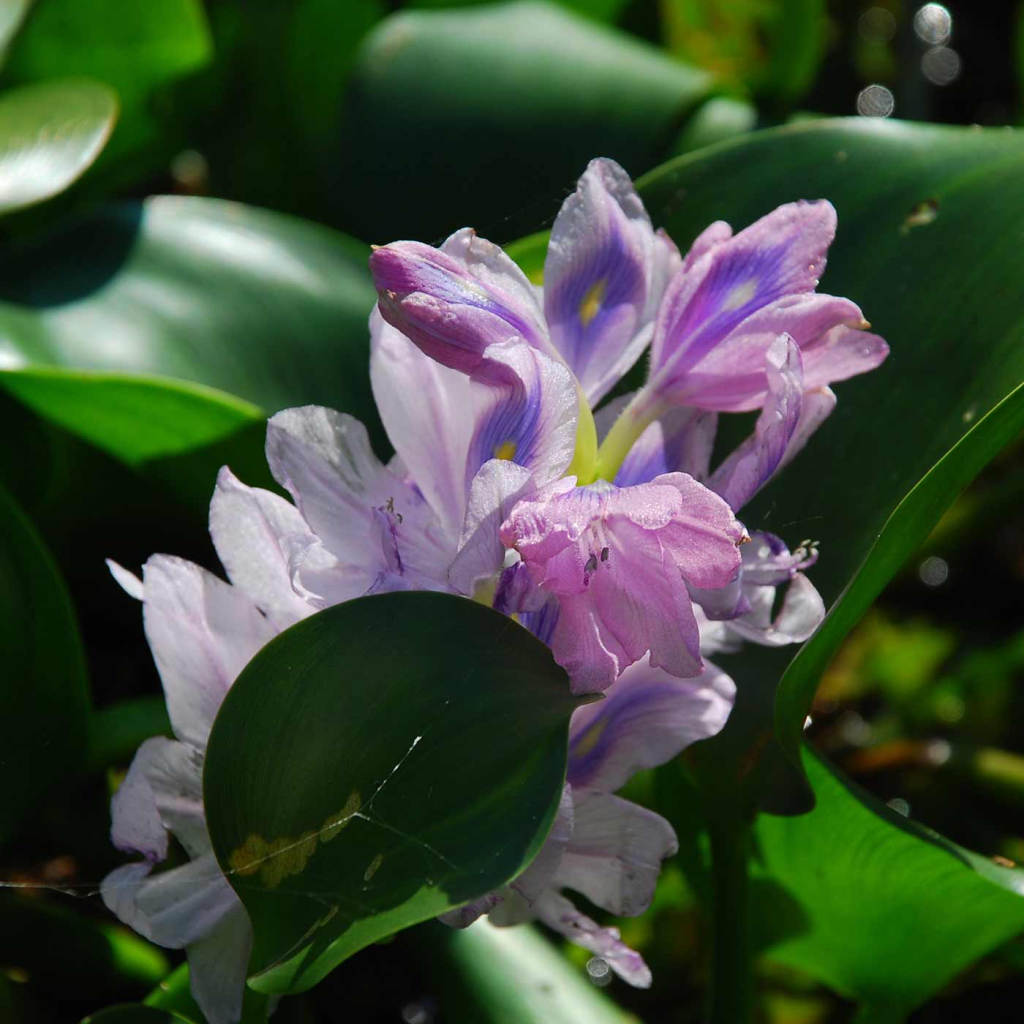
Similarly, giant salvinia can hitchhike to new lakes on boat trailers, fishing gear, or other equipment. Even a tiny plant fragment can spark an infestation, leading to costly, long-term control efforts.
To preserve Texas lakes for future generations, boaters must follow three key steps before leaving a body of water:
- Remove plants, mud, and debris from boats and equipment.
- Drain all water from boat compartments and receptacles, including bait buckets.
- Dry boats and gear thoroughly, preferably for at least a week before entering another lake.
“An ounce of prevention is worth a pound of cure,” emphasized John Findeisen, TPWD aquatic habitat enhancement team lead. “It only takes a small amount of time as responsible boaters to prevent new introductions of aquatic invasive species.”
For boats stored in a lake with zebra mussels, the risk is especially high. Boaters should call TPWD at (512) 389-4848 for guidance before moving their vessel.
Texans can further support TPWD’s efforts by reporting sightings of invasive species in lakes where they haven’t been found before. Anyone spotting aquatic invaders on boats, trailers, or equipment can call (512) 389-4848 or email photos and location details to aquaticinvasives@tpwd.texas.gov.
For more information, visit tpwd.texas.gov/StopInvasives or check out TPWD’s YouTube channel for an instructional video on proper cleaning techniques.
As summer approaches, Texans can take simple actions to protect the waters they love. A clean boat today means a healthier lake tomorrow.
Will you do your part?




 KNCT
KNCT 