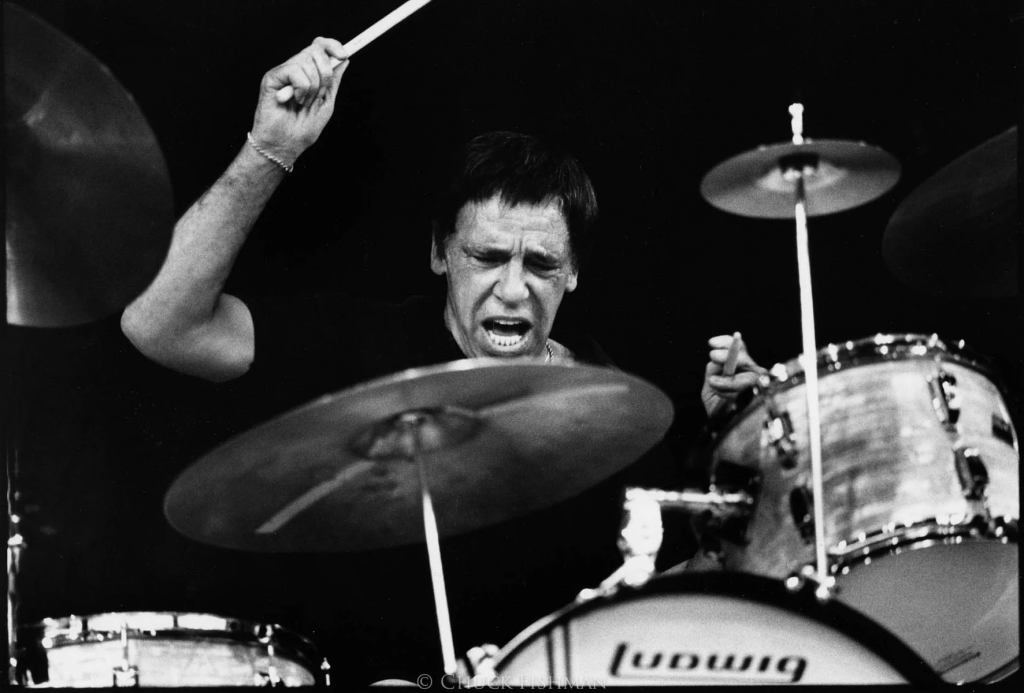
Buddy Rich was more than just a drummer—he was a force of nature. Born Bernard Rich on September 30, 1917, in Brooklyn, New York, he was a child prodigy who took the vaudeville stage by storm before he could even read. By the age of four, he was headlining Broadway as “Baby Traps, the Drum Wonder,” a name that foreshadowed his legendary career.
Rich’s journey into jazz began in the late 1930s, when he played with big bands led by Bunny Berigan, Artie Shaw, and Tommy Dorsey. His drumming was electrifying—fast, precise, and powerful. He had an uncanny ability to drive a band forward, making him one of the most sought-after drummers of his time. Despite his immense talent, he never learned to read sheet music, relying instead on his sharp memory and instinct.
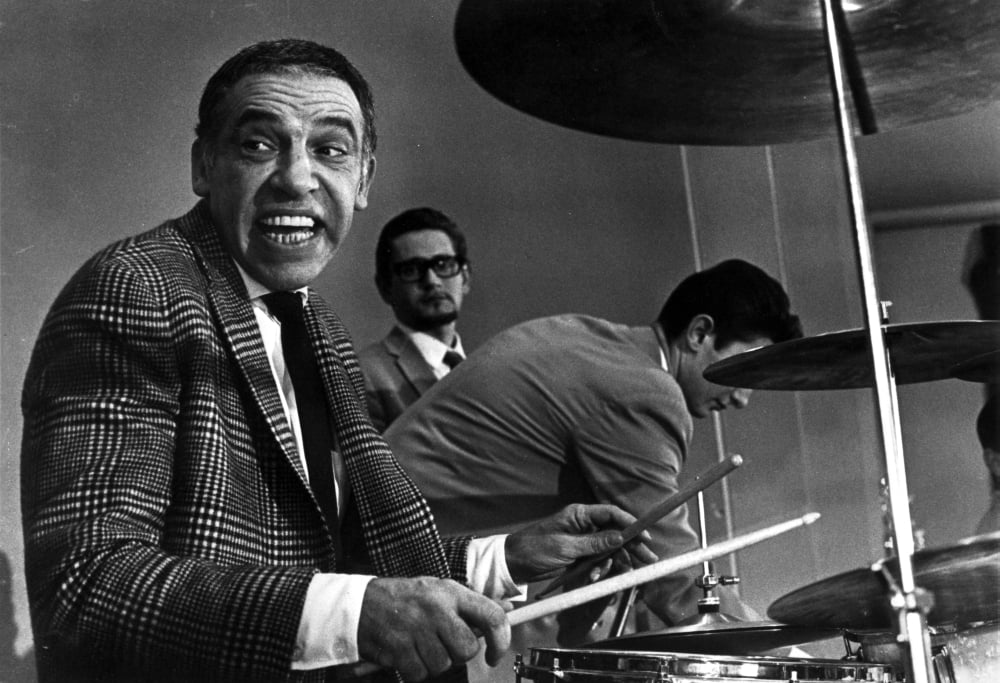
During World War II, Rich served in the U.S. Marines, but his passion for music never waned. After the war, he formed the Buddy Rich Orchestra, though financial struggles forced him to return to playing as a sideman. It wasn’t until 1966 that he found lasting success with the Buddy Rich Big Band, which blended traditional jazz with modern influences. His performances were nothing short of mesmerizing, and his rendition of the West Side Story Suite remains one of the most complex and celebrated drum solos in jazz history.
Rich was known for his fiery personality—his perfectionism and high standards often led to clashes with fellow musicians. But his influence on drumming was undeniable. He championed the traditional grip, pushed the boundaries of speed and technique, and inspired generations of drummers to follow in his footsteps.
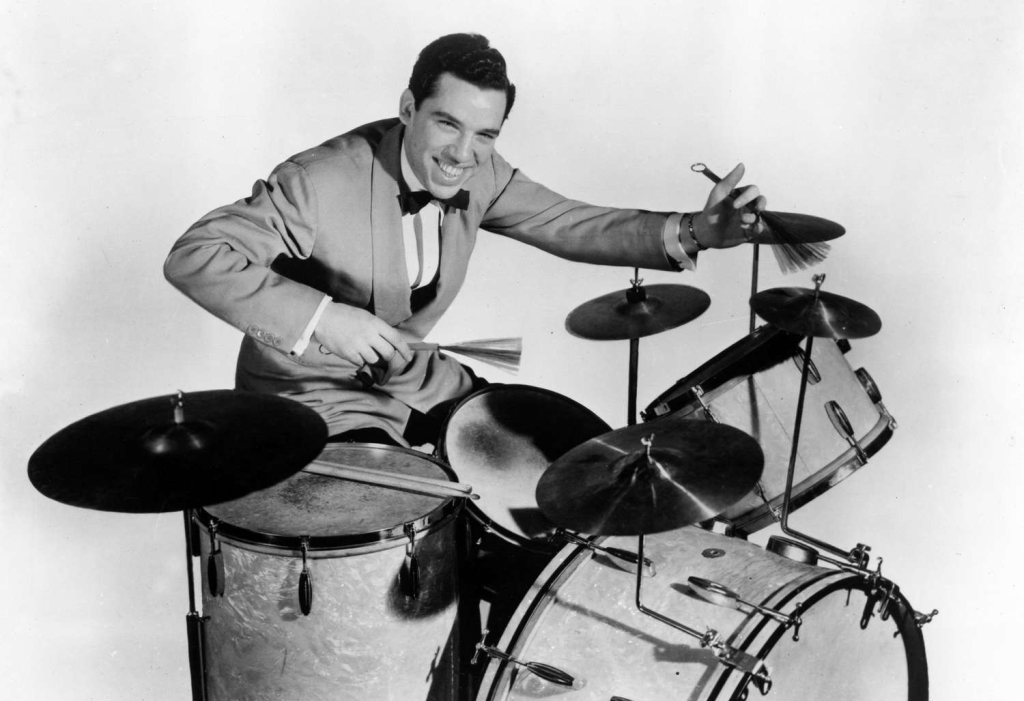
Buddy Rich passed away on April 2, 1987, but his legacy lives on. His recordings, performances, and sheer passion for jazz continue to inspire musicians worldwide. Whether behind the kit or leading a band, Rich was a true icon—a drummer who didn’t just keep time, but shaped the very sound of jazz itself.
Swingin’ Down the Lane with David Miller
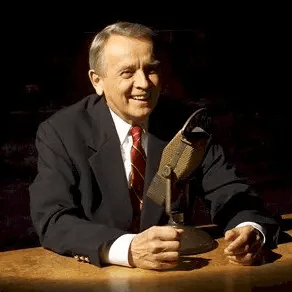
We’re dedicated to keeping the big band sound alive and well. Big bands have been around since the 1920’s, and the recent interest in swing music has rekindled the flame. New generations are thrilling to Benny Goodman, Artie Shaw, Count Basie, Tommy Dorsey, Glenn Miller and of course the illustrious Duke Ellington.
Swingin’ Down the Lane airs every Sunday at 6pm on KNCT.
Episode 2229 Playlist for May 18, 2025
| Snowfall | Claude Thornhill |
| Get me on your mind | Jay McShann |
| The Army Air Corps | Alvino Rey |
| Deep purple | Larry Clinton |
| Prelude to a kiss | Buddy Rich |
| Baby, won’t you please come home? | Johnny Catron |
| I’m sitting on top of the world | Orrin Tucker |
| Brahms’ lullaby | Clark Terry |
| And the angels sing | Ziggy Elman |
| That’s a-plenty | Jimmy McPartland |
| As time goes by | Ray Anthony |
| Doin’ the raccoon | Rudy Vallee |
| Got a date with an angel | Hal Kemp |
| My hero | Ralph Flanagan |
| Easy does it | Bobby Byrne |
| Stardust | Jack Jenney |
This set list pays tribute to the musicians who not only shaped the sound of their era but also served their country during World War II. Featuring a blend of swing, jazz, and big band classics, it captures the spirit of resilience and patriotism that defined the time.
Claude Thornhill’s Snowfall sets a dreamy, atmospheric tone, while Jay McShann’s Get Me on Your Mind brings a lively energy. Alvino Rey’s The Army Air Corps serves as a direct nod to military service, and Larry Clinton’s Deep Purple adds a touch of elegance.
Buddy Rich’s Prelude to a Kiss showcases his masterful drumming, while Johnny Catron’s Baby, Won’t You Please Come Home? and Orrin Tucker’s I’m Sitting on Top of the World bring heartfelt emotion. Clark Terry’s Brahms’ Lullaby offers a soothing contrast, followed by Ziggy Elman’s And the Angels Sing, a vibrant swing classic.
Jimmy McPartland’s That’s a-Plenty delivers upbeat jazz energy, while Ray Anthony’s As Time Goes By evokes nostalgia. Rudy Vallee’s Doin’ the Raccoon and Hal Kemp’s Got a Date with an Angel add playful charm, and Ralph Flanagan’s My Hero reinforces the theme of service and dedication.
The set closes with Bobby Byrne’s Easy Does It and Jack Jenney’s Stardust, rounding out a collection that honors both musical excellence and the contributions of these artists to the war effort.




 KNCT
KNCT 