

Frankie Lymon and the Teenagers were pioneers of doo-wop, capturing the hearts of audiences in the mid-1950s with their youthful energy and unforgettable harmonies. At just 13 years old, Frankie Lymon became the lead singer of the group, his soaring soprano voice defining their signature sound. Their biggest hit, Why Do Fools Fall in Love, catapulted them to fame, making Lymon one of the first Black teenage pop stars.
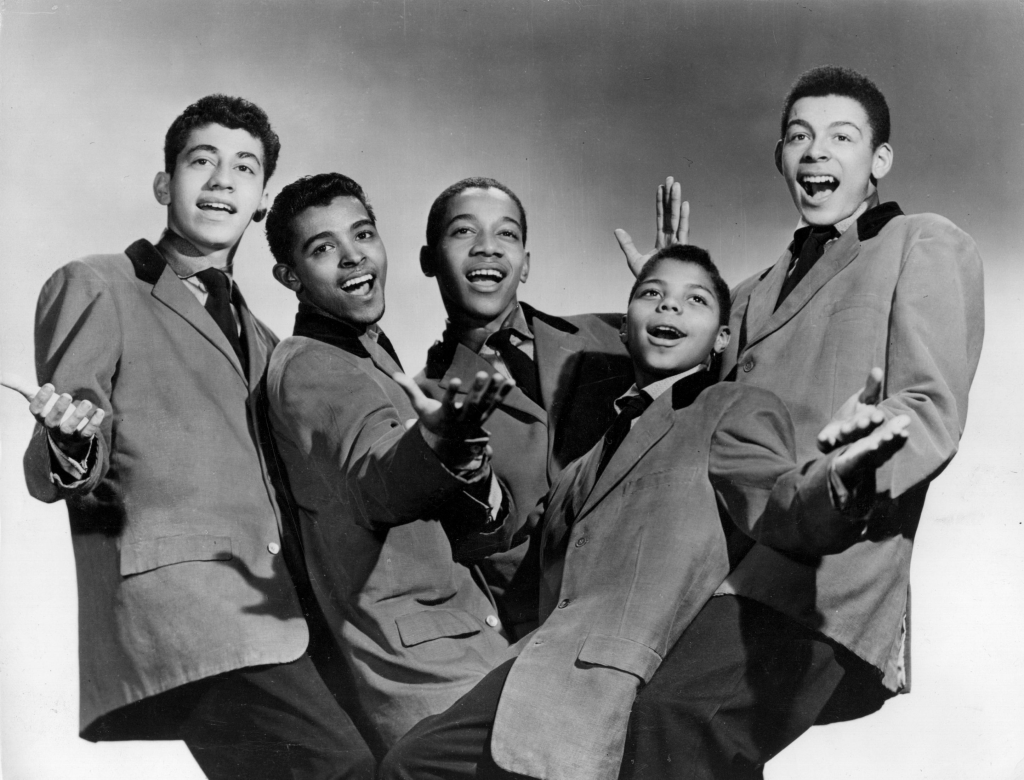
The Teenagers, originally formed in New York City, consisted of Herman Santiago, Jimmy Merchant, Joe Negroni, and Sherman Garnes. Their music resonated across racial lines, helping to shape the early rock and roll movement. They appeared in films, performed on The Ed Sullivan Show, and toured internationally, cementing their place in music history.
However, fame came at a cost. Lymon left the group in 1957 to pursue a solo career, but struggled to replicate his early success. His life was tragically cut short in 1968 when he died of a heroin overdose at just 25 years old. Despite his untimely passing, his influence endured—Frankie Lymon and the Teenagers were inducted into the Rock and Roll Hall of Fame in 1993, ensuring their legacy as trailblazers of the genre.

Frankie Lymon and the Teenagers had a profound impact on the evolution of rock and roll, doo-wop, and R&B. Their youthful energy and harmonies inspired countless artists who followed. Michael Jackson, for example, was heavily influenced by Lymon’s stage presence and vocal style, particularly his ability to command an audience at such a young age. The group’s pioneering sound also paved the way for Motown artists, including The Jackson 5, who carried forward the tradition of young, charismatic performers.
Beyond Motown, their influence extended to early rock and roll legends like The Beatles and The Beach Boys, who admired the doo-wop harmonies that Lymon and his group perfected. Their hit Why Do Fools Fall in Love became a staple in pop culture, covered by artists such as Diana Ross and Frankie Valli.
Additionally, Lymon’s boldness in breaking racial barriers—such as his controversial appearance dancing with a white girl on television—helped push the industry toward greater inclusivity. His legacy remains a crucial part of music history, shaping the sounds and careers of generations to come.
Their story is one of meteoric rise, groundbreaking success, and heartbreaking loss. But their music lives on, reminding us of the magic they brought to the world of rock and roll.
Sock Hop Saturday Night with Bruce Vasbinder
What’s shakin’ bacon!
Originating in the 1950s, the sock hop was a social dance put on normally by school groups. Because they were usually held in gymnasiums, shoes were forbidden, and the dancers danced in their socks.

Join me every Saturday night at 8pm on KNCT as we bring back the music that was the heart and soul of that wonderful tradition. In the meantime, check out past episodes below.
And here is the playlist for tonight’s episode number 717!

As always, be sure to keep a little Doo-wop in your heart and it will put a smile on your face.



 KNCT
KNCT 