

As Texas schools prepare for the final stretch of the 2024-2025 academic year, administrators face an unexpected hurdle: The March 28, 2025 deadline to liquidate federal Education Stabilization Fund grants.
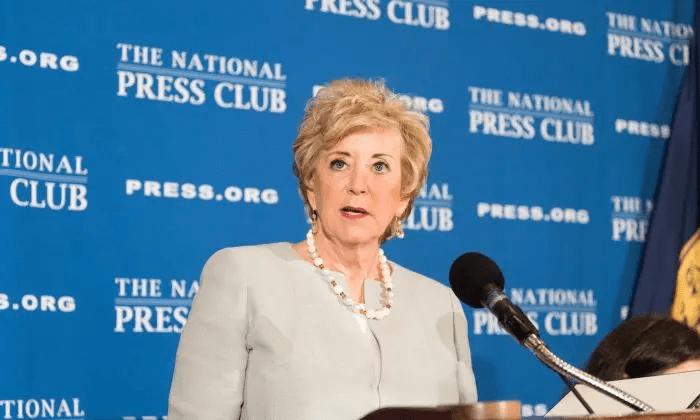
Following a recent decision by Secretary of Education Linda McMahon, schools across the Lone Star State are scrambling to finalize spending plans before the expiration of funding provided under the CRRSA and ARP acts—COVID-era relief programs designed to support education.
The Texas Education Agency (TEA) is working closely with local education agencies (LEAs) to ensure every dollar is accounted for, but some districts fear the sudden funding cutoff could impact vital student programs, staffing, and infrastructure projects.
Under normal federal guidelines, award recipients have 120 days after the period of performance to liquidate their obligations. However, a discretionary extension initially granted by the Department of Education has now been revoked, leaving districts with limited time to allocate their remaining ESSER III grant funds.
“This change has put tremendous pressure on districts,” said a TEA spokesperson. “We are doing everything possible to help schools reallocate funds effectively, but with millions still unspent statewide, we’re racing against the clock.”
Texas districts now face a funding cliff, with over 40% of ESSER III funds still unspent in some regions. Schools had hoped for more flexibility, but now, administrators are pushing to classify expenses in a way that allows maximum utilization before the liquidation cutoff.
For many districts, these funds have been essential in recovering from pandemic-related learning disruptions. Schools have used the money for technology upgrades, tutoring programs, teacher salaries, and infrastructure improvements to ensure students receive the best possible education in a post-pandemic world.
With the deadline approaching, Texas schools are taking swift action:
- Reallocating budgets to complete unfinished projects before funds disappear.
- Seeking extensions for specific projects—though these are being granted on a case-by-case basis.
- Adjusting staffing plans to prevent layoffs when the funding runs out.
- Reassessing long-term financial strategies to maintain student services beyond the ESSER era.
While the Department of Education will consider project-specific extensions, TEA officials warn that schools must submit detailed justifications to secure additional time. Without extensions, districts may need to cut programs or find alternative funding sources to bridge the gap.
As this federal funding deadline looms, Texas educators are calling for greater flexibility to ensure students don’t suffer from abrupt financial constraints. In the coming months, districts will finalize their spending strategies, and all eyes will be on whether individual project extensions will be granted.
Will Texas schools be able to navigate this financial shift without disruption?
The answer will unfold in the months ahead.




 KNCT
KNCT 