Fleetwood Mac’s Rumours: The Album That Defined an Era
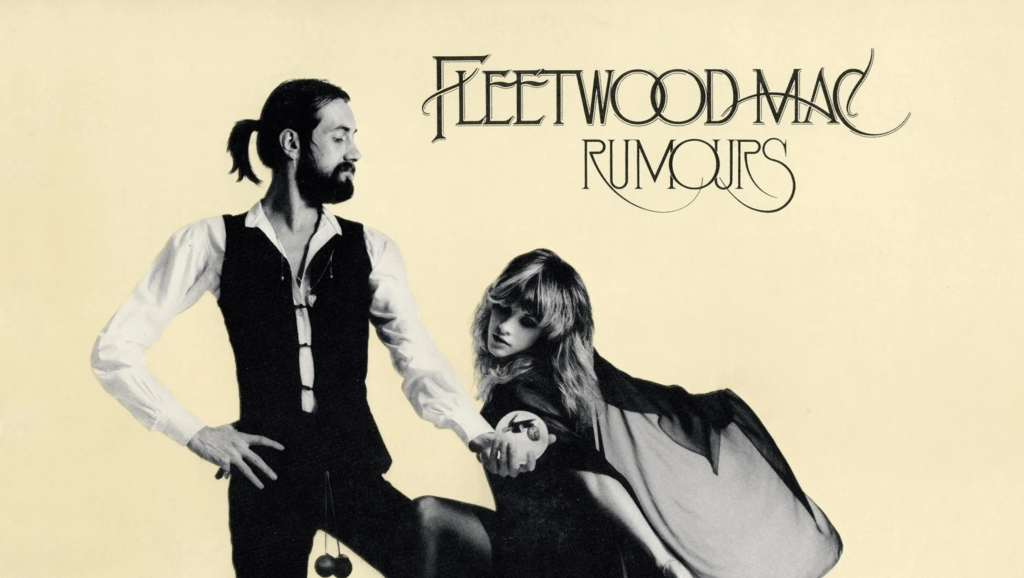
On April 2, 1977, Fleetwood Mac’s Rumours soared to the number one spot on the Billboard 200, marking the beginning of one of the most legendary runs in rock history. The album, fueled by heartache, tension, and raw emotion, became a defining soundtrack of the late 1970s, resonating with millions of listeners worldwide.
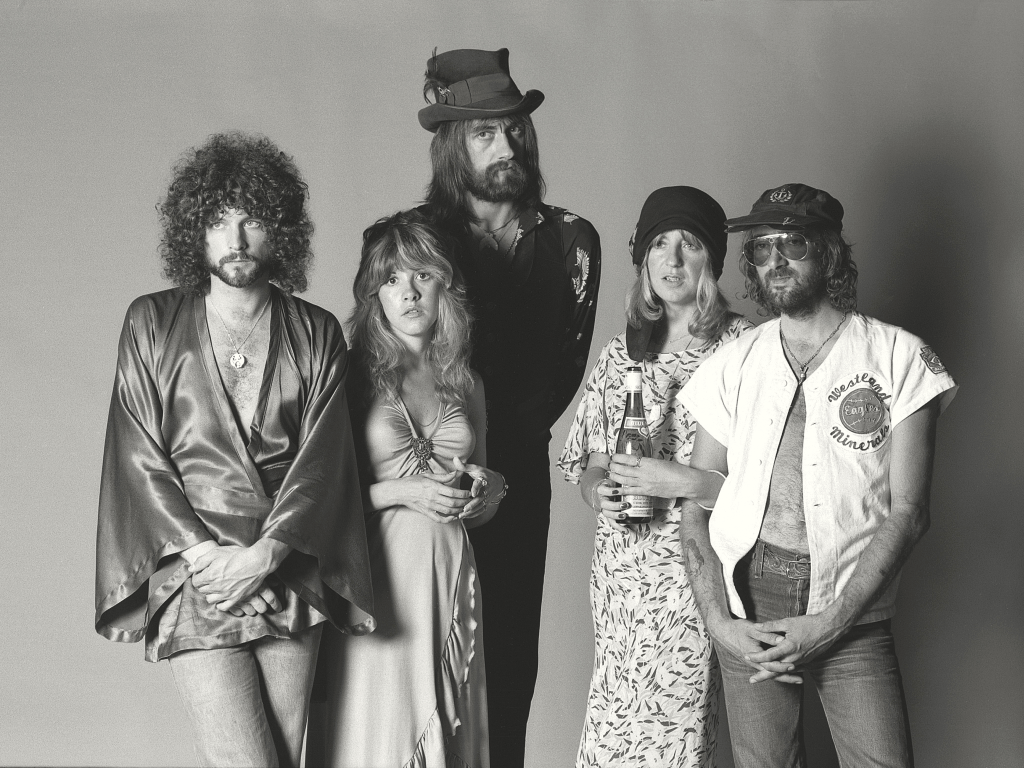
By the time Fleetwood Mac entered the studio to record Rumours, the band was fractured by personal turmoil. Christine and John McVie had divorced, Stevie Nicks and Lindsey Buckingham were in the midst of a painful breakup, and Mick Fleetwood was dealing with his own marital struggles. Despite—or perhaps because of—these emotional upheavals, the band channeled their pain into deeply personal songwriting, crafting an album that felt intimate, relatable, and cathartic.
From the biting intensity of Go Your Own Way to the haunting beauty of Dreams, each track on Rumours told a story of love, loss, and resilience. Dreams, penned by Stevie Nicks, became Fleetwood Mac’s first and only U.S. number-one single, solidifying her status as one of rock’s most compelling voices. Meanwhile, The Chain—the only song credited to all five members—symbolized the band’s unbreakable connection, despite their personal struggles.
Fleetwood Mac’s Rumours didn’t just hit number one—it dominated. The album spent 31 weeks at the top, battling for supremacy with the Eagles’ Hotel California. Even after losing the top spot, Rumours reclaimed it multiple times, ultimately spending over 19 weeks at number one throughout 1977.
Decades later, Rumours remains one of the best-selling albums of all time, with over 45 million copies sold worldwide. Its songs continue to inspire new generations, proving that great music transcends time. Fleetwood Mac’s ability to turn heartache into harmony made Rumours more than just an album—it became a cultural phenomenon.
Even as the band evolved, their musical soap opera—as John McVie once described it—cemented their place in rock history. And on this day in 1977, Fleetwood Mac didn’t just top the charts—they changed music forever.




 KNCT
KNCT 