

Encouraging News for Monarch Butterfly Conservation as Population Nearly Doubles
In an announcement from Austin, Texas, Commissioner Sid Miller and the Texas Department of Agriculture shared promising developments for monarch butterfly conservation. According to a recent survey conducted by the World Wildlife Fund-Telmex Telcel Foundation Alliance (WWF) and Mexico’s National Commission of Protected Natural Areas (CONANP), the eastern monarch butterfly population has seen significant growth. The survey revealed that the monarchs occupied 4.42 acres of central Mexican forests during the 2025 winter, compared to just 2.22 acres the previous year.
Scientists attribute the population increase to favorable weather conditions along the monarchs’ migration route across the United States, Canada, and Mexico. Conservation efforts, including habitat restoration and sustainable land management practices, have also played an important role in protecting the species’ critical breeding and overwintering habitats.
Commissioner Miller emphasized the importance of voluntary conservation partnerships over regulatory approaches, stating, “Texans have always been good stewards of the land. Our farmers, ranchers, and private landowners are crucial in preserving monarch habitats without excessive government overreach.”
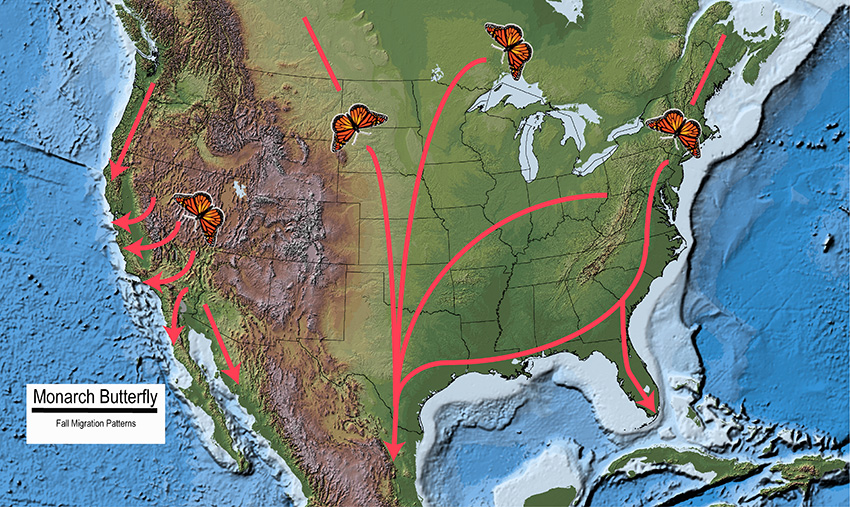
The monarch butterfly is considered a vital component of North American ecosystems and agriculture. As key pollinators, these insects support 80% of food production. Their annual migration, spanning nearly 3,000 miles, is a remarkable natural phenomenon requiring collaborative efforts among landowners, conservationists, and policymakers.
Miller also commented on the ongoing debate regarding the potential inclusion of the eastern monarch butterfly in the Endangered Species Act. He advocated for balanced conservation strategies, citing the successful response to forest degradation in Mexico as a model for addressing environmental challenges.
The Texas Department of Agriculture reaffirmed its commitment to implementing science-based policies that respect property rights while fostering the survival of this iconic species.




 KNCT
KNCT 