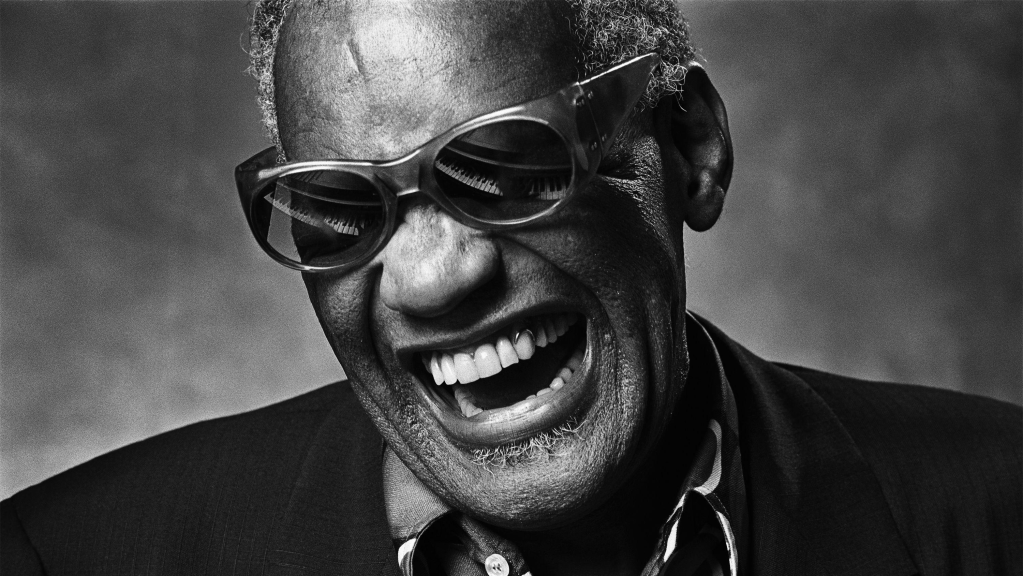
Ray Charles Records Iconic Hit ‘What’d I Say’
On this day, music history was made as the legendary Ray Charles recorded ‘What’d I Say’ at Atlantic Studios in New York City. The track, which would go on to become his biggest hit, was a product of spontaneous creativity that evolved during live performances.
‘What’d I Say’ originated as an improvisational piece, a call-and-response exchange between Charles and his female back-up singers, The Raelettes. During a concert, Charles extended a set to fill time and began to play what would become the iconic riff, leading to an electrifying back-and-forth with the audience. Recognizing its potential, Charles brought the song to the studio for a formal recording, and the rest is history.
Released in 1959, ‘What’d I Say’ quickly ascended the charts, reaching No.1 on the R&B charts and No.6 on the pop charts. The song’s innovative fusion of gospel, blues, and rhumba, combined with its suggestive lyrics, broke new ground in popular music. However, this combination also sparked controversy. The sexual innuendo present in the lyrics created a stir among both white and black audiences, leading to bans from some radio stations. Despite, or perhaps because of this controversy, the song’s popularity soared.
‘What’d I Say’ earned Ray Charles his first gold record, cementing his place as a pioneer of soul music. The track’s success marked a turning point in Charles’ career, propelling him to new heights of fame and influence. The song’s innovative blend of genres laid the groundwork for future musical experimentation and influenced countless artists across the spectrum of popular music.
Ray Charles’ ability to blend secular and sacred sounds in a way that was both groundbreaking and accessible helped to redefine the boundaries of popular music. ‘What’d I Say’ remains a testament to his genius and the enduring power of music to captivate, challenge, and inspire.
As we look back on the day Ray Charles recorded ‘What’d I Say,’ we celebrate not only the creation of a timeless hit but also the legacy of an artist who dared to push the limits of his craft. Ray Charles’ contribution to music continues to resonate, reminding us of the transformative power of creativity and innovation.



 KNCT
KNCT 