
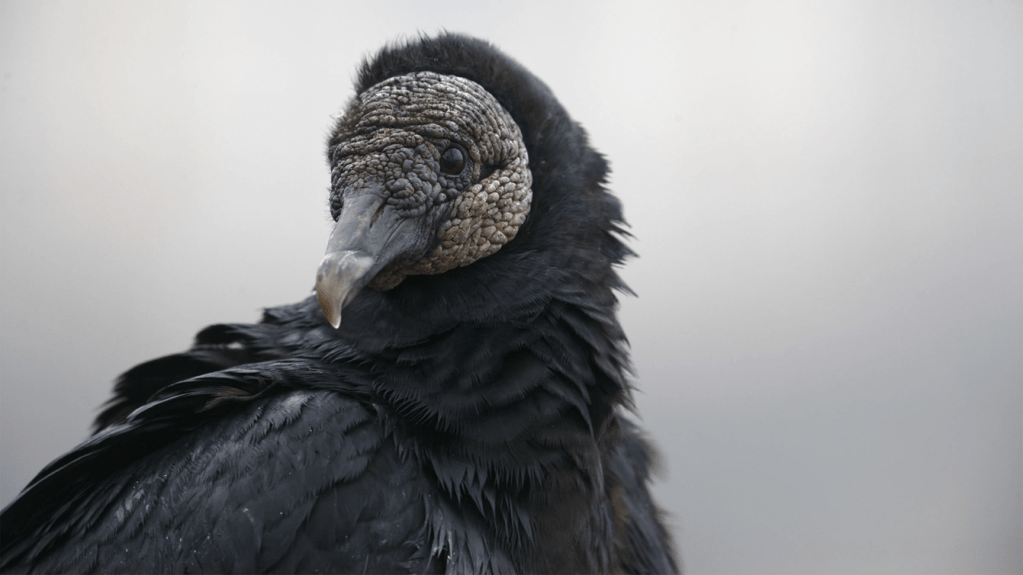
Preliminary tests have confirmed Highly Pathogenic Avian Influenza (HPAI) in multiple black vultures recovered at Landa Park in New Braunfels, Texas. Disease experts indicate that HPAI is circulating among wild birds in Texas as waterbirds and waterfowl visit their wintering grounds.
HPAI has been detected in numerous regions across Texas, including Amarillo, El Paso, Galveston, Harris, Lubbock, Potter, Travis, and Wharton counties. This zoonotic virus is highly contagious and transmits easily among wild and domestic birds. HPAI can also spread to mammals, including wild mammals and domestic cats, through direct contact and environmental contamination.
The Texas Parks and Wildlife Department (TPWD) advises wildlife rehabilitators to exercise caution when admitting wild animals showing clinical signs of HPAI. They are urged to refrain from admitting any birds exhibiting such symptoms to prevent further spread.
The public can assist in interrupting HPAI transmission by limiting all unnecessary contact with wild birds. This includes discontinuing feeding and other activities that cause waterfowl to congregate in parks. It is also recommended to take down bird feeders and bird baths to prevent congregation, thus reducing the chance of exposure to disease.
For those who choose to leave bird feeders and bird baths out, it is advised to clean them several times each week with a ten percent bleach solution and monitor for signs of disease. Handling any sick or dead wildlife, or allowing pets to consume wild carcasses, should be strictly avoided.
Currently, the transmission risk of avian influenza from infected birds to people remains low. However, the public should take basic protective measures if contact with wild animals cannot be avoided. Detailed information about HPAI in humans can be found on the Texas Department of State Health Services website. Individuals who had contact with an HPAI-positive or suspect animal and develop signs of illness should immediately contact their healthcare provider and inform them about the exposure.
If you encounter a wild animal with signs consistent with HPAI, please contact your local TPWD wildlife biologist.
On the Dock with Rick Smith
We are your source for the latest news and events involving the great Texas outdoors. You can also check out my latest podcasts and blogs on my page, KNCT.home.blog/onthedock.




 KNCT
KNCT 