
In the heart of the Edwards Plateau of central Texas, a resilient yet vulnerable plant species known as the big red sage clings to survival. The U.S. Fish and Wildlife Service has proposed listing this striking plant as endangered under the Endangered Species Act, hoping to avert its impending extinction.
Though commonly found in cultivated landscapes, big red sage is a rarity in the wild. Rediscovered in 1980, a fortuitous decades-long search after first being described in the 1840s now stands precariously on the brink of disappearance. Of the 14 populations once known, only seven remain.
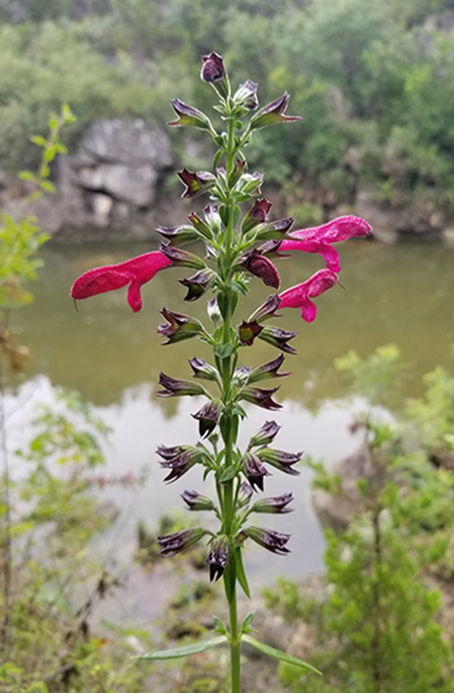
The big red sage flourishes along the bluffs and banks of waterways on predominantly private lands. Its five-foot-tall stalks, adorned with reddish purple flowers, bloom from May through November when conditions are just right. Each flower, a delicate masterpiece, is a beacon for hummingbirds, which pollinate the plants as part of their annual journey.
“Although big red sage is commonly planted in cultivated landscapes, this showy plant is rarely spotted in the wild,” says Amy Lueders, the Service’s Southwest Regional Director. “It is currently on the verge of extinction, and our goal is for big red sage to remain a part of the living natural heritage of Texas and the nation.”
The rediscovery and subsequent decline of this stunning plant are alarming. The remaining wild populations exhibit low genetic diversity, with wild plants bearing more unique genotypes than their cultivated counterparts. This genetic diversity is critical for the plant’s adaptation and resilience against changing environments.
“Conserving this stunning, rare flowering plant cannot be achieved alone,” Lueders remarks. The Service recognizes the invaluable efforts of partnerships with various botanical and conservation organizations. However, to secure the future of big red sage, the cooperation of private landowners, businesses, state partners, and non-profit groups is essential.
Threats to the big red sage are multifaceted, including herbivory by white-tailed deer, urban development, collection for cultivation, improper propagation, and the impacts of climate change. Flash floods, bank erosion, and climate-induced moisture loss further imperil its habitat.
Recognizing these threats and the importance of this species, the Service has opened a 60-day public comment period, closing March 24, 2025, to gather input and support for the proposed listing. Transparency and collaboration remain at the core of their conservation strategy.
Across the Southwest, the effort to conserve at-risk species like the big red sage continues to forge new partnerships and strengthen existing ones. Through collaborative strategies, federal agencies, states, Tribes, and private landowners work together to ensure that species threatened with extinction thrive once more. Ultimately, the hope is that the big red sage will continue to bloom brightly, a testament to the collective dedication and determination to preserve Texas’s botanical heritage.
On the Dock
Rick smith
Presented by Marine Outlet of Temple, Texas, your “Just Add Water” boat dealership. Join me, Rick Smith for On the Dock, the boat and boating, fish and fishing show on KNCT every Wednesday and Friday at 6:15pm.

We are your source for the latest news and events involving the great Texas outdoors. You can also check out my latest podcasts and blogs on my page, KNCT.home.blog/onthedock.





 KNCT
KNCT 