
In the annals of American history, presidential inaugurations have often been marked by grand ceremonies, patriotic fervor, and moments of profound significance. But few have been as memorable, or as frigid, as the inaugurations that tested the mettle of presidents and spectators alike.
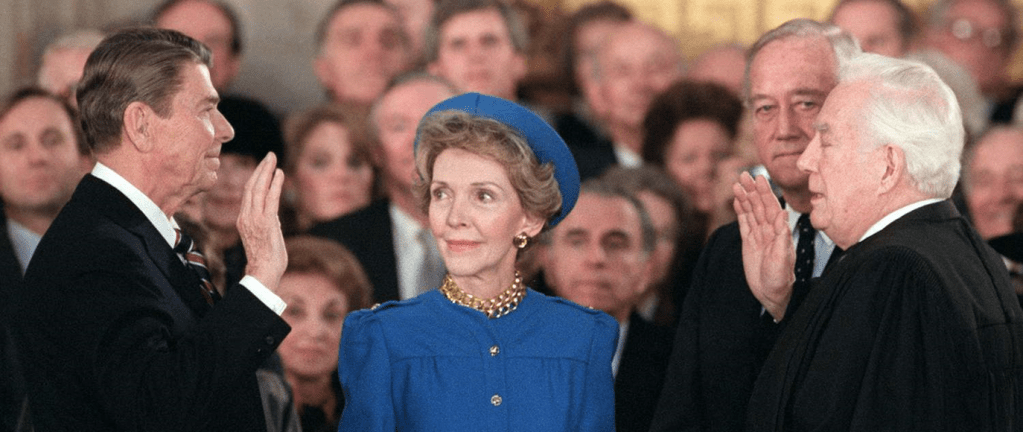
The coldest inauguration on record took place on January 21, 1985, during Ronald Reagan’s second swearing-in ceremony. As dawn broke over the nation’s capital, the thermometer read a blistering 7 degrees Fahrenheit, with wind chills plummeting to between -10 and -20 degrees. The bitter cold posed serious health risks, prompting officials to move the festivities indoors to the Capitol Rotunda.
Despite the relocation, Reagan’s address was broadcast to the shivering public via television. “The warmth of our country’s love,” he proclaimed, “outshines any chill the weather may bring.” His words were a tribute to the enduring spirit of America, even in the face of nature’s harsh conditions. Another notably cold inauguration occurred on March 4, 1909, when William Howard Taft took the oath of office. A fierce blizzard had swept through Washington, D.C., the night before, blanketing the city in snow and ice. The inaugural parade was delayed, and soldiers worked tirelessly to clear Pennsylvania Avenue for the event.
Taft, who had hoped for a mild day, humorously remarked about the weather, “I knew it would be a cold day when I got in.” Despite the wintry blast, the ceremony proceeded as planned, with Taft delivering his address under heavy skies and snowflakes falling.
John F. Kennedy’s inauguration on January 20, 1961, was also marked by freezing temperatures. Though the day was bright and sunny, the temperature hovered around 22 degrees Fahrenheit, with gusty winds making it feel even colder. Bundled in a hat and overcoat, Kennedy’s famous call to action, “Ask not what your country can do for you; ask what you can do for your country” resonated deeply with the crowd, despite the chill in the air.
The icy conditions didn’t deter Kennedy from riding in an open car during the parade. His determination to show resilience was a powerful message to the nation, exemplifying the courage and commitment expected of a leader during challenging times. Inaugurations held in the icy grip of winter serve as a powerful reminder of the fortitude and dedication required of both leaders and citizens. They symbolize the unwavering resolve to uphold the democratic process, regardless of the elements.



 KNCT
KNCT 