

In a significant milestone for nearly 55 million Medicare Part D enrollees, out-of-pocket spending on prescription drugs will be capped at $2,000 starting this month. This cap is a result of a provision in the 2022 Inflation Reduction Act, which AARP championed as a key measure to lower prescription drug prices.
The new cap is expected to provide substantial financial relief for millions of beneficiaries. A recent report by AARP reveals that 94% of enrollees anticipated reaching the cap will experience an average saving of $2,474 in 2025. The report further analyzes state-level data, highlighting that in 22 states, Part D enrollers estimated to benefit from the cap will see average savings of $2,500 or more.
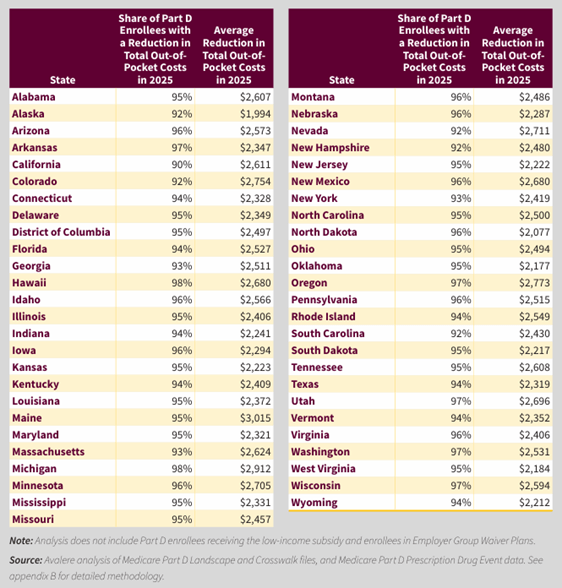
This initiative marks a pivotal step towards making prescription medications more affordable and accessible for older adults and individuals with disabilities. By capping out-of-pocket expenses, Medicare Part D enrollees can better manage their healthcare costs, ensuring they receive the medications they need without facing financial hardship.
AARP continues to advocate for policies that improve the lives of older Americans, and the implementation of this spending cap is a testament to their ongoing efforts to protect and enhance the wellbeing of Medicare beneficiaries.
And in today’s episode of the Senior Spotlight, Gary Emmert discusses this topic with AARP’s Prescription Drug Policy Principal, Leigh Purvis.
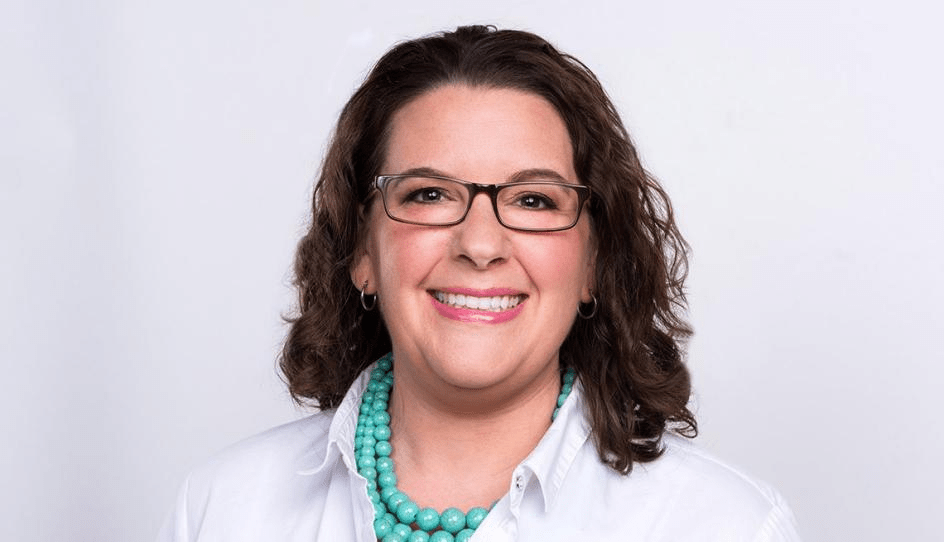
Leigh heads the organization’s work on prescription drug issues and is a recognized expert on prescription drug pricing and coverage. Her work focuses on improving prescription drug affordability and accessibility for older adults. Purvis has testified before Congress and state legislatures on behalf of AARP and speaks frequently on a wide variety of prescription drug-related issues. She is also the co-author of the AARP Rx Price Watch reports, which have been tracking the prices of prescription drugs widely used by older Americans since 2004. Purvis has a MPA with a concentration in health administration and policy from George Mason University and a BS in psychology from the University of Mary Washington. She also holds a certificate in gerontology from the University of Washington.




 KNCT
KNCT 